

The Core Concepts of Structural Family Theory & Systems Therapy To Know
Updated 2/18/2026
Structural Family Theory is one of the more predominant family systems counseling theories and an approach to family therapy in which family members are viewed as interconnected emotional units. Depending on how these emotional units are organized, they create patterns of interactions in relationships which significantly influence individual behavior and mental health.

It took me a while to really get what that means.
Here's how I explain it when I teach graduate students:
If a company is going to be successful, it needs to be organized. There's usually a CEO at the top of the hierarchy, and people with less influence or 'power', below them. But they all work together towards a common goal, and communicate, have roles and generally know what they're doing and why.
When a company has a decent organizational structure, it's much more likely to be successful.
Hopefully you're in agreement that if a company is organized, has a decent structure with someone in charge at the top, then it's much more likely to make money, or save the whales - ie reach to reach whatever its goal is.
A family doesn't quite have the same goals of making money or saving the planet, but it has a function. Normally that function is to raise children who can leave home at the right age and live independently.
Below you’ll find some of the main family systems theory concepts and ideas, enjoy!
The Unique Mind Of Salvador Minuchin, founder of Structural Family Systems.
Salvador Minuchin was an Argentine-American psychiatrist and one of the most influential figures in modern family systems therapy. He pioneered and developed Structural Family Therapy, an approach that examines how hidden rules and hierarchies shape the ways families interact. By helping families adjust these structures, Minuchin’s work made it possible for them to break stubborn patterns and build healthier relationships.
- He saw every family’s arguments as a rehearsed dance, ready to be re-choreographed for deeper connection and understanding.
- With an Argentinian directness, Minuchin took on chaos headfirst—revealing the hidden rules that keep families stuck and reshaping them for real change.
- Therapy wasn’t just talk to him—it was boundary-shifting theatre where members stepped into new roles, forging stronger bonds with every dramatic act.
Family Systems: HiT
I send out a weekly free family systems / family therapy newsletter. I'm determined to make it the most helpful practical email you get all week. Its fun, free and for clinicians of all levels of experience. Family Systems HIT: How To's - Interventions - and a little bit of theory.
Free
All The Tools You Need To Build A Successful Online Business
Lorem ipsum dolor sit amet, metus at rhoncus dapibus, habitasse vitae cubilia odio sed. Mauris pellentesque eget lorem malesuada wisi nec, nullam mus. Mauris vel mauris. Orci fusce ipsum faucibus scelerisque.

What is the structural theory of the family?
Structural theory of the family holds that a family's organization—not its individual members—determines whether children develop into healthy, well-adjusted adults. Like a functioning business, a family requires clear leadership, defined roles, and consistent structure to meet its goals. When that organization is sound, the system supports growth. When it breaks down, symptoms follow.
In structural family therapy, the health of the family's hierarchy is treated as the primary clinical variable.
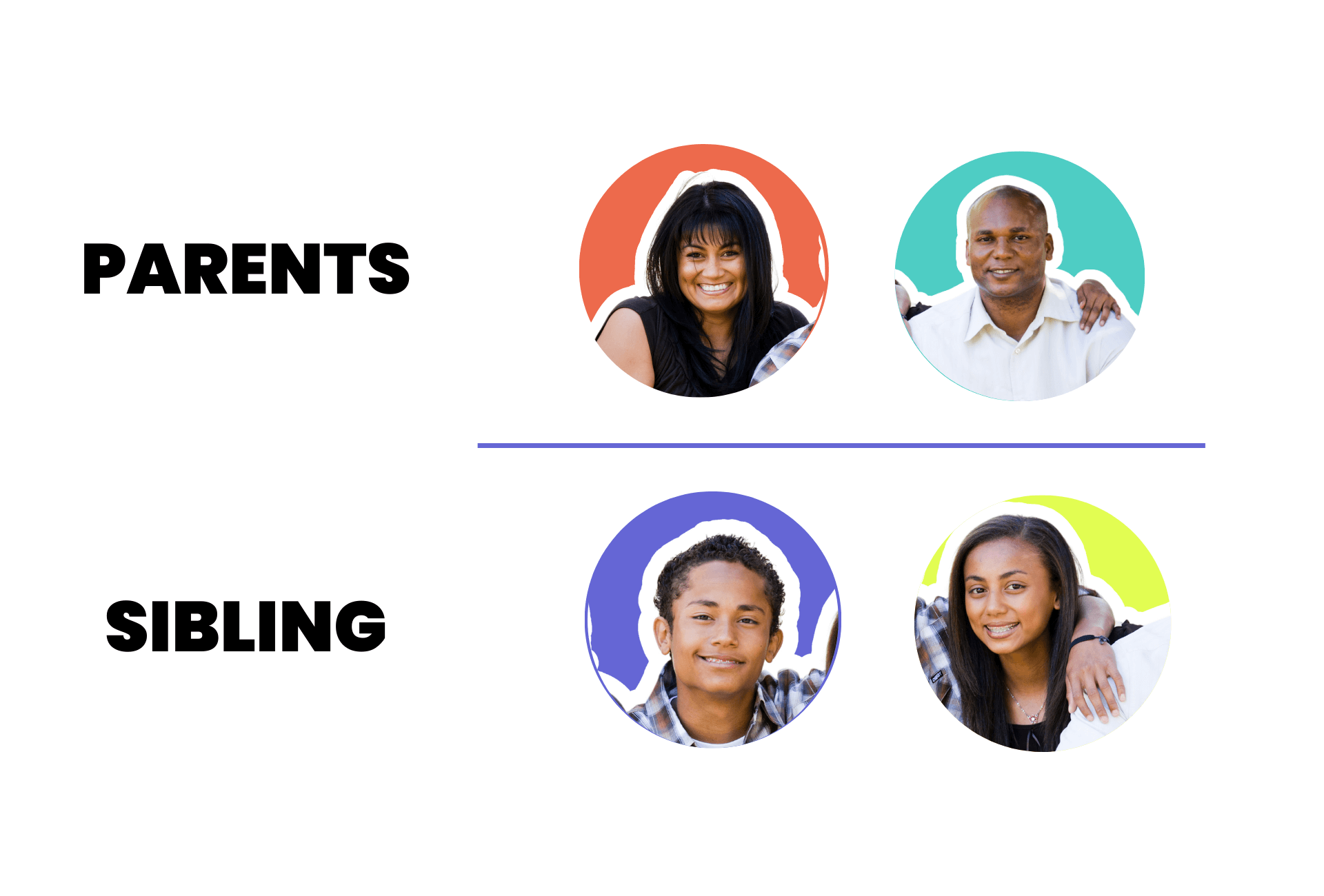
Core elements of a structurally healthy family:
- Place parents or caregivers in the leadership position with consistent, shared authority
- Maintain clear boundaries between the parental subsystem and the child subsystem
- Establish predictable rules and routines that reflect the hierarchy in daily life
- Protect the parental alliance from cross-generational coalitions that pull children into adult conflict
- Recognize symptoms in a child—the Identified Patient—as signals of structural dysfunction, not individual pathology
When a family's organization is disrupted, the system attempts to stabilize itself. That stabilization often takes the form of a child developing behavioral or emotional symptoms, which draws family attention and temporarily reduces adult conflict. Structural therapy targets the organization directly, restoring appropriate hierarchy so the symptom no longer needs to perform a stabilizing function. Clinicians who assess structure before treating the presenting problem avoid reinforcing the patterns that produced it.

More Structural Family Systems Theory

Structural Case Studies
Put it all together with this structural family therapy case study.




What is the structural approach in family therapy?
The structural approach to family therapy focuses on the invisible rules that govern the families structure, which influences how members interact with each other.
Think of it like examining the blueprint of a house – the therapist looks at how the system is "built" and how its various rooms (subsystems) connect and function together.
These subsystems might include the parental subsystem (parents working together), the sibling subsystem (relationships between children), and various other combinations of members.
A healthy organization for a family consists of appropriate leadership, usually in the form of parents or caregivers, who create a healthy hierarchy and promote healthy boundaries, communication and structure in order for it to function and ultimately reach its goals.
What makes the structural approach particularly powerful is its focus on the present rather than the past. While other therapeutic approaches might delve deep into history, structural therapists primarily work with current interactions and patterns they can observe and modify in the therapy room. They believe that changing these present-day patterns will naturally lead to improved functioning and individual well-being, reducing mental health problems in relationships.
Side note: for more on Bowen family systems and Bowen family systems theory, follow these links.

Family Systems Therapy Training
My full family systems training course that takes your from the first call to interventions to use. $59.99
Circular Questioning Explained
How to use Circular Questioning in your sessions to get results with a family or couple. $9.99

Advanced Family Mapping Course
How to use Family Mapping as a professional but also as a family therapy activity. $19.99

An online structural family systems theory training course.
An online course that goes beyond theory to share all the tools, techniques, and insights you need to run family therapy sessions with skill and confidence in your private practice. A practical road map for graduate level students, therapists or anyone interested in using and learning more about family systems theory examples, interventions, case studies and more.
Sign Me Up For More Family Systems

How to Think Like a Structural Family Therapist
Thinking like a structural family therapist means reading behavior as organizational information, not individual pathology. Every symptom, conflict, and relational pattern becomes a data point about how the family is structured. The therapist's job is to assess that structure accurately before deciding where to intervene.
In structural family therapy, the presenting problem is treated as a signal from the system, not a property of the person displaying it.
Five cognitive shifts that define structural thinking:
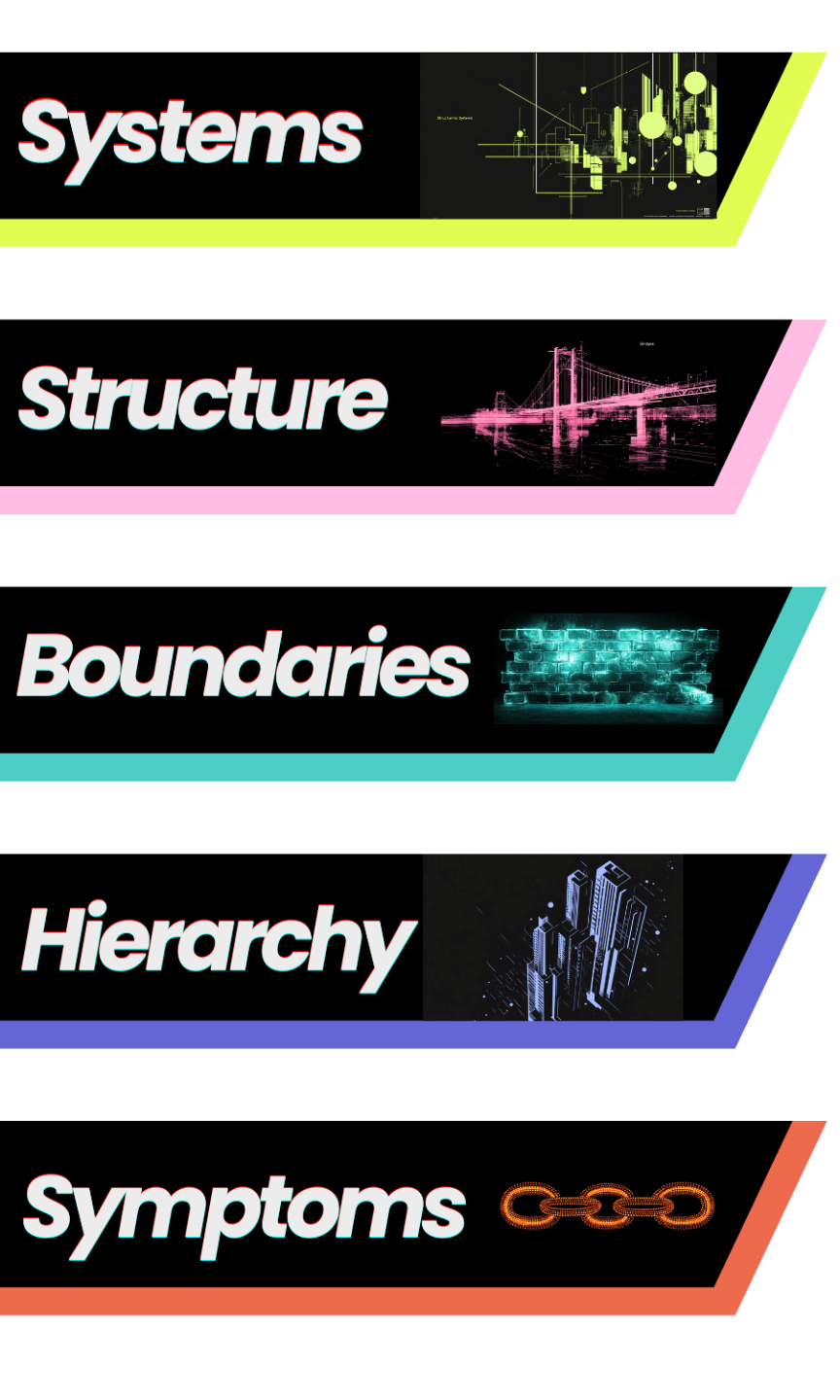
1 Systems: Recognize the family as an interconnected system where one member's problem both affects and is affected by the entire unit, not just the individual displaying it
2 Structure: Look past content—what the family argues about—to structure: the invisible rules, roles, and interaction patterns that govern how members relate to one another
3 Boundaries Assess boundaries by evaluating whether subsystems are too rigid and emotionally cut off, too diffuse and enmeshed, or appropriately clear and flexible
4 Hierarchy Evaluate hierarchy by confirming that parents hold the executive position, that children carry age-appropriate responsibility, and that no child has assumed a leadership role beyond their developmental level
5 Symptoms:Reframe symptoms as system signals by asking what tension the behavior reduces and what conflict it stabilizes—the Identified Patient is the one displaying the symptom, but the whole system is being treated


What are the goals of structural family therapy?
A structural family therapist wants to help improve family relationships and overall health, help create healthy relationships, improve communication, and remove symptoms in 'troubled' adolescents or children. It's a process that starts with understanding dynamics and interactions and then targeting specific patterns that need to be changed.
Modifying The Role Of The IP: Often a child or teenager, is "the problem." Instead of accepting this view, structural therapy works to help the client understand that the IP's behavior is actually a symptom of broader patterns. For instance, if a teenager is acting out, rather than focusing solely on their behavior, the therapy explores how interactions might be contributing to or maintaining these actions.
Clarify Boundaries: establishing clearer boundaries is fundamental to creating a more functional family system. Think of boundaries like invisible fences that define relationships between members and subsystems. When boundaries are too rigid, members become emotionally distant; when they're too diffuse or enmeshed, there's insufficient independence. The therapist helps families find the right balance, ensuring that parents can work as a team while maintaining appropriate separation between parent and sibling relationship in their subsystems.
Increasing the scope of communication, the third goal, involves improving communication by helping the system develop more effective ways of expressing themselves and understanding each other. This might mean helping an authoritarian parent develop a softer approach, teaching system members to express feelings directly rather than through behavior, or helping parents communicate limits and expectations clearly to their children. The focus is on creating patterns of communication that support both connection and healthy autonomy.
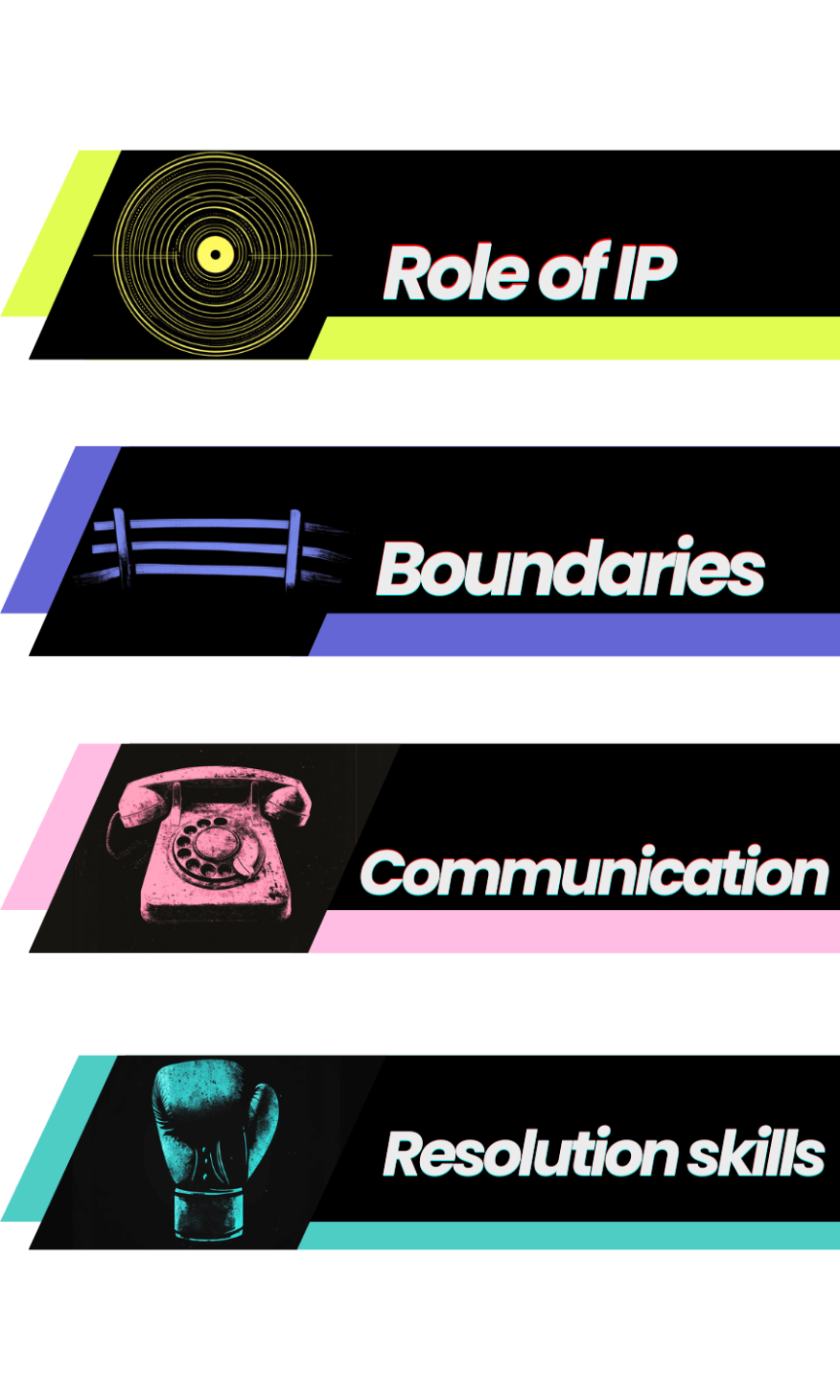
Improving conflict resolution skills, builds on the previous objectives. Many families either avoid conflict entirely or handle it in ways that damage relationships. The therapist helps families develop new ways to address disagreements constructively, teaching them to negotiate differences while maintaining respect and connection. This might involve learning to listen actively, express needs clearly, and work together to find solutions that consider everyone's perspectives.

What are boundaries about in structural family therapy?
Boundaries in relationships are far more complex than simple rules or limits - they're like invisible force fields that govern how system members interact with each other. When boundaries between parents and children become too porous, emotions can flow freely between them, creating situations where a child might take on their parent's anxiety or a parent becomes overwhelmed by their child's every mood swing. Picture a mother who becomes completely distraught whenever her teenager is upset, or a father who shares all his marital problems with his young son. While these examples might seem like closeness or trust, they actually represent boundary violations that can burden children with adult emotional responsibilities they're not equipped to handle. Healthy boundaries, on the other hand, are like a semi-permeable membrane - allowing for emotional connection and support while still maintaining appropriate separation between parent and child roles.

Porous Boundaries
Porous or diffuse boundaries lead to enmeshment, where family members are overly involved in each other's lives. This might look like a mother who reads her teenage daughter's diary or parents who share all their marital problems with their children.

Healthy Boundaries
Clear boundaries, which represent the healthy middle ground, allow for both emotional connection and appropriate independence. In a family with clear boundaries, parents might discuss their financial concerns privately but share age-appropriate information with their children. Siblings might have their own friendship circles while still enjoying activities together.

Rigid Boundaries
Rigid boundaries create excessive emotional distance between family members, leading to disengagement. You might see this in families where teenagers rarely communicate with their parents, spending most of their time alone in their rooms.
Family Intervention: Techniques Of Structural Family Therapy
Structural therapy is an evidence based treatment model that helps families seeking treatment with a variety of mental health issues.In clinical practice, we've seen how the right therapeutic tools can create positive change and transform family relationships. Here are some of the powerful techniques our structural family therapists use to help families thrive:
Family Mapping - is one of the most useful tools and a terrific family intervention that a structural family therapist will use in a family therapy session. The therapist observes how the family interacts and creates a visual map of the family unit that maps out the family hierarchy, how the family operates including unhealthy and healthy relationships. More importantly attempts to identify patterns in a dysfunctional hierarchy that maintain and perpetuate unhealthy family dynamics.
Enactments Family therapists know that real change happens through action, not just talk. That's why we create opportunities for families to practice new interaction patterns right in our sessions. Like a rehearsal for life, enactments help improve communication, healthier interactions and build confidence in handling challenging situations together.
Reframing: Sometimes the key to addressing mental health issues lies in seeing behaviors differently. Structural family therapists help families understand challenging moments not as problems, but as attempts to connect or cope. This shift in perspective often unlocks new possibilities for healing and creating healthier interactions.
Restructuring: Like skilled architects, we help families design and build healthier boundaries that support better family functioning. This might mean helping parents align their approach, teaching age-appropriate independence, or finding the right balance within your unique structure.
An online structural family systems theory training course.
An online course that goes beyond theory to share all the tools, techniques, and insights you need to run therapy sessions with skill and confidence in your private practice. A practical road map for graduate level students, therapists or anyone interested in learning more about how to do structural therapy.
Sign Me Up For More SystemsStructural Family Therapy: Circular Questions
Circular questioning is a therapeutic technique used in therapy to explore relationships, patterns, and dynamics within a system. Rather than asking direct linear questions, the therapist asks questions that reveal how different members' behaviors and reactions influence each other in a circular pattern. Watch the video for more information.

For example, instead of asking "Why does Jimmy skip school?", a therapist might ask "When Jimmy stays home from school, what does Mom typically do first? And how does Dad respond to Mom's reaction?" This helps uncover the interconnected nature of family dynamics and how behaviors maintain certain patterns over time.
Circular Questioning Examples
- "When your teen seems anxious about school, who notices first? How do other family members respond when that person expresses concern?"
- "If we asked your daughter who gets most worried when she's upset - Mom or Dad - what would she say? How does that person's worry affect her anxiety?"
- "On days when there's less conflict at dinner, what's different about how each family member interacts with each other beforehand?"
- "When Dad works late, how does that change Mom's evening routine with the kids? How do the kids respond differently to Mom during those times?"
- "Who in the family is most likely to try to make peace after an argument? What do others do in response to that person's peacemaking efforts?"
- "If your son's teacher were here, what would they say about how his behavior changes depending on which parent attends school meetings?"
- "When your daughter starts withdrawing to her room, what changes have you noticed in how you and your spouse communicate with each other?"
- "How has the time your family spends together changed since your son started having difficulty at school? What's different about how each family member interacts now compared to before?"
The Family Systems Videos
If you've not found my YouTube Channel yet, check out some of the Structural Family Systems Training Videos I've made here and learn more about how my weird head works, and, more importantly, family therapy.

How can parents use family systems theory to enhance their parenting strategies?
Family systems theory helps parents improve their parenting strategies by shifting focus from the child's behavior to the structure that sustains it. Most parenting problems reflect an organizational issue—not a defiant child, but a system that has drifted out of alignment. When parents understand their role as the executive subsystem, they can intervene at the structural level rather than managing symptoms one incident at a time.
In structural family therapy, clear parental authority is treated as a prerequisite for a child's healthy development, not a style preference.
Practical strategies drawn from family systems principles:
- Establish a united parental position before addressing the child's behavior directly
- Identify and close the soft/hard split where one parent disciplines and the other rescues
- Distinguish authoritative leadership—warmth combined with consistent limits—from permissiveness disguised as respect
- Withdraw accommodation of dependent behavior by changing parental actions, not demanding the child change first
- Resist organizing family life around a child's symptoms, which reinforces the child's central power position
When parents function as a coordinated executive unit, the family system reorganizes around that structure. Children respond to clear hierarchy not with resentment but with reduced anxiety, because secure limits remove the burden of self-governance they are not equipped to carry. Parents who apply these principles report more consistent follow-through and less reactive conflict in daily interactions.
What are some common patterns identified in families using family systems theory?
Family systems theory identifies recurring structural patterns that maintain dysfunction across generations. Therapists trained in this framework use pattern recognition as a diagnostic tool, not just a descriptive one. Naming the pattern clarifies the intervention target before treatment begins.
Common patterns identified in family systems assessment:
- Identify inverted hierarchies where a child holds more relational power than the parents, often through symptomatic behavior
- Recognize cross-generational coalitions in which one parent allies with a child against the other parent
- Map triangulation sequences where parental conflict is redirected onto a third family member, typically a child
- Assess enmeshment by noting when members speak for one another or when a child's attempt to separate produces family-wide reactivity
- Detect disengagement through emotional distance so entrenched that members only respond when problems become extreme
- Flag boundary diffusion in post-separation families where a child carries messages between parents who cannot communicate directly
Each pattern reflects a structural solution the family adopted under stress. The solution once served a stabilizing function, which is why families resist changing it even when it produces symptoms. In structural family therapy, accurately mapping these patterns before intervening prevents therapists from targeting symptoms while leaving the underlying organization intact. Clear pattern identification gives clinicians a precise entry point for restructuring work.
How can family systems theory be applied to improve communication within a family?
Family systems theory improves family communication by shifting focus from what families argue about to how their interaction patterns sustain conflict. Therapists trained in this framework assess the sequence of behaviors—who speaks, who withdraws, who escalates—rather than the content of any single disagreement. This approach reveals why the same argument repeats even when the topic changes. In structural family therapy, identifying these patterns guides every communication intervention.
- Common communication patterns that systems theory helps address:
- Recognize circular sequences where one person's withdrawal triggers another's pursuit
- Identify cross-generational coalitions that redirect conflict away from the couple
- Clarify boundary diffusion that allows children to mediate adult disagreements
- Map triangulation that prevents direct communication between two parties
- Distinguish functional hierarchy from patterns where a child holds adult-level authority
- Identifying these patterns gives therapists a clear target for intervention rather than managing symptoms case by case.
