
Structural Family Therapy Mapping: Family Mapping Step by Step.
Updated 2/18/26 =
What Is Family Mapping in Structural Family Therapy?
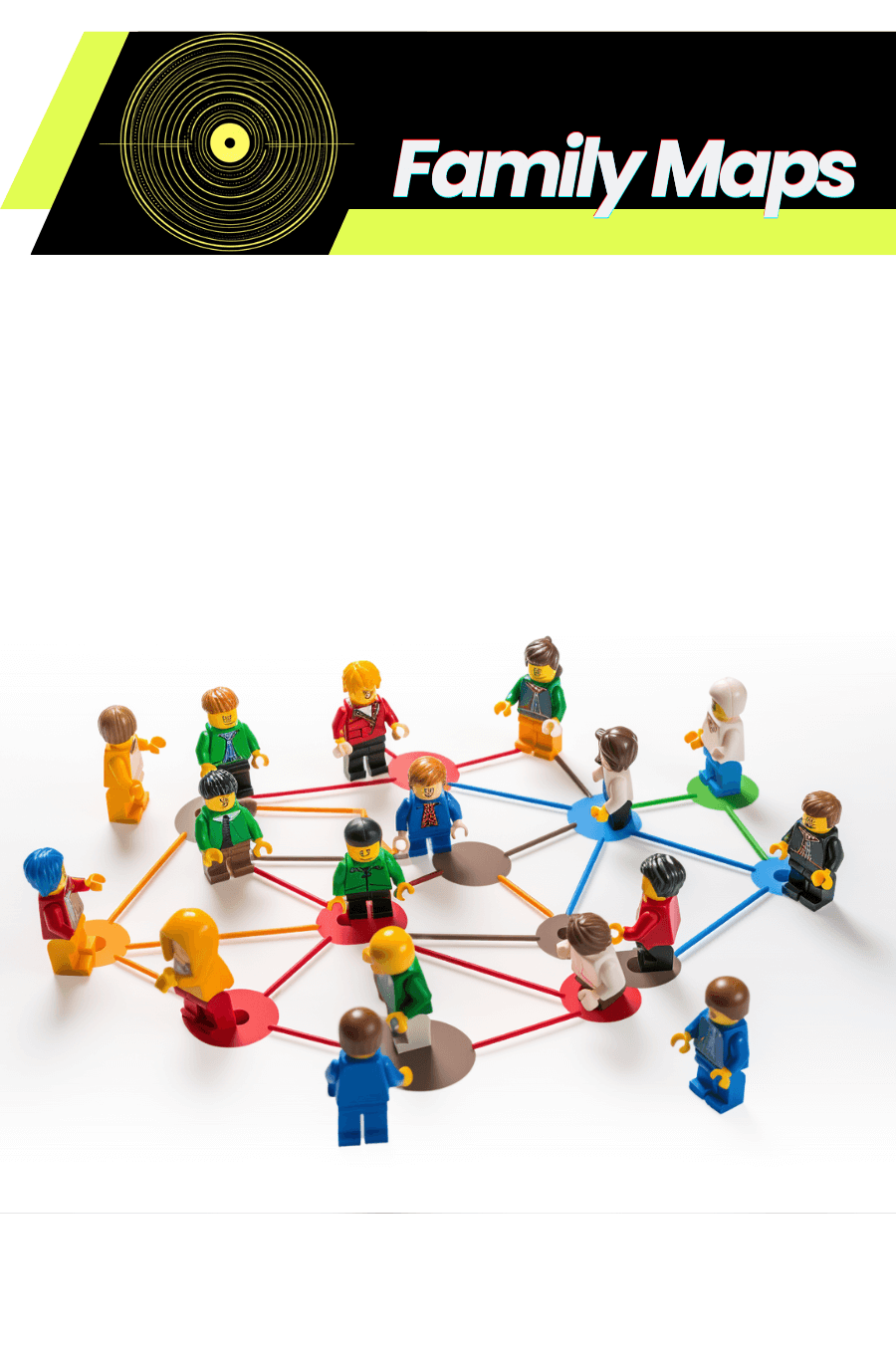
Family mapping is a visual technique used in structural family therapy to map relationships, roles, and interaction patterns within a family system.
Instead of relying only on conversation, family mapping creates a clear, visual diagram that shows how a family actually functions—making invisible dynamics visible.
Therapists use family mapping to:
- Identify patterns of conflict
- Understand roles and responsibilities
- Reveal hidden power structures
- Guide therapeutic intervention
In simple terms, family mapping turns complex family dynamics into something you can see, track, and change.
If you're curious about family systems, I have a free weekly newsletter and a podcast.

Why Family Mapping Matters in Therapy
Family mapping helps therapists and clients quickly understand what words alone often miss.
These visual maps highlight:
- Hierarchy – who holds authority in the family
- Boundaries – how close or distant relationships are
- Subsystems – natural groupings like parents or siblings
For example, a family map can immediately show:
- A child taking on adult responsibilities
- A parent acting more like a peer than a leader
- Enmeshed or overly rigid relationships
Because of this, family mapping is one of the fastest ways to assess family structure and guide meaningful change.

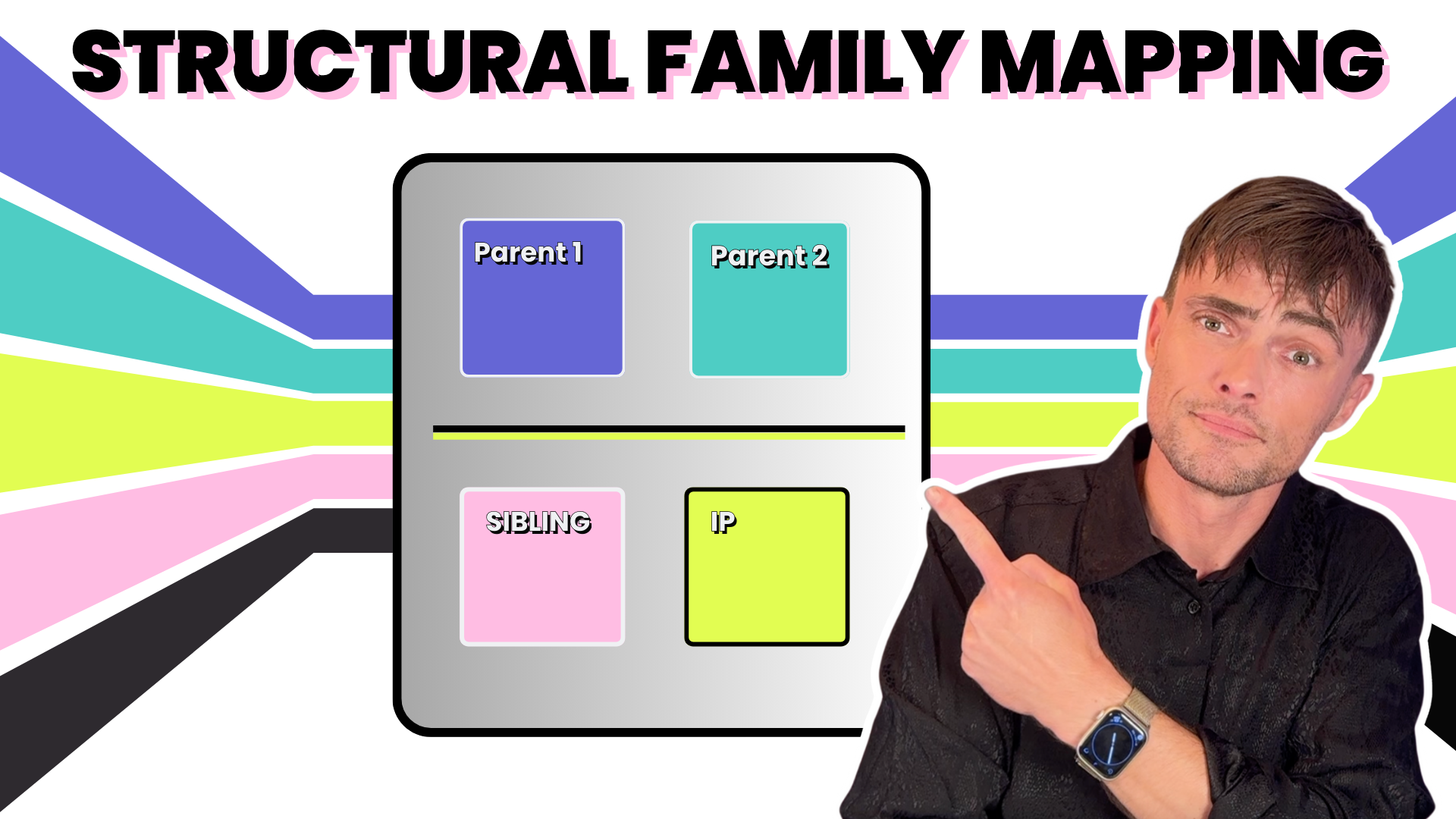
Get the free family mapping pdf PDF to accompany the video on Family Mapping here.
More Family Mapping!Origins in Structural Family Therapy
Salvador Minuchin developed structural family therapy in the 1960s while working with disadvantaged families at the Wiltwyck School for Boys in New York. His groundbreaking approach centered on a radical insight: families organize themselves through invisible patterns that either support or undermine healthy functioning.
Minuchin's mapping technique emerged from observing how low-income families interacted during therapy sessions. Rather than focusing solely on individual pathology, he identified recurring structural arrangements—rigid boundaries between parents and children, enmeshed relationships that stifled independence, or coalitions that undermined parental authority.
The visual diagram became essential because family members couldn't always articulate their relational patterns. A mother might insist she had a "close relationship" with her teenage daughter, yet the structural map would reveal an enmeshed boundary that prevented the teen from developing autonomy. These diagrams transformed abstract family dynamics into concrete images that both therapists and families could examine together, making previously invisible hierarchies and alliances suddenly visible and changeable.
Family Mapping as a Clinical Tool
Family mapping is not just a diagram—it’s a working tool used throughout therapy.
Therapists actively update maps as families shift, making it a:
- Diagnostic tool
- Intervention guide
- Progress tracker
This makes family mapping especially powerful in:
- Child and adolescent mental health
- Family conflict resolution
- Parenting challenges
How can I create a family therapy map for better understanding family dynamics?
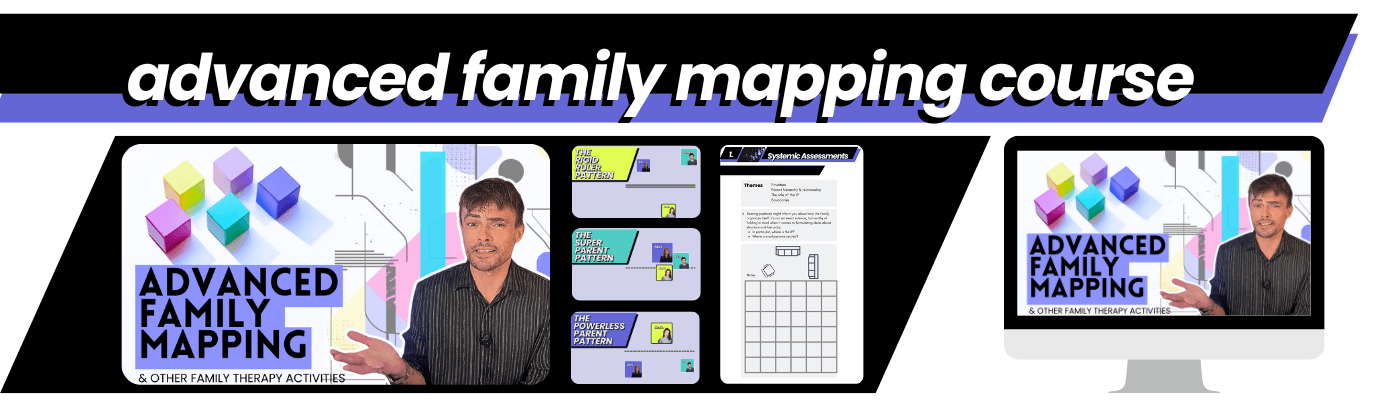
For more family therapy mapping training, look no further than My People Patterns! Unlock hidden family dynamics that traditional talk therapy misses with our comprehensive Family Mapping course. This powerful visual technique reveals hierarchies, boundaries, and unspoken rules by having clients physically arrange family representations, creating breakthrough moments when words fail.
- Master versatile approaches for individuals exploring family origins, couples unpacking relationship patterns, or entire families gaining new perspectives.
- You'll receive step-by-step implementation guides, downloadable resources, and real case demonstrations to immediately elevate your practice.
Whether you're new to family systems work or an experienced therapist, these accessible techniques will revolutionize how you identify subsystems, address boundary issues, and help families envision positive change.
Other Structural Family Systems
While Minuchin's approach dominates structural family therapy mapping, several complementary frameworks enhance how therapists visualize family dynamics. These systems share the core principle that family structure directly influences individual behavior, yet each offers distinct mapping perspectives.
Bowen Family Systems Theory emphasizes differentiation of self and multigenerational patterns through genograms—detailed family trees that track emotional cutoffs and triangulation across generations. Unlike Minuchin's focus on present-day boundaries, Bowen's approach maps historical patterns that shape current family functioning.
Strategic Family Therapy, developed by Jay Haley and Cloe Madanes, incorporates structural concepts but emphasizes power hierarchies and symptom maintenance. Therapists using this model often create hierarchy maps that illustrate decision-making patterns and coalitions—visual tools that complement boundary diagrams.
Solution-Focused Brief Therapy integrates structural mapping by identifying relationship patterns that support desired outcomes rather than problems. This strengths-based perspective reframes how therapists interpret the same boundaries and subsystems Minuchin identified.
Understanding these related therapeutic approaches enriches structural family therapy mapping by providing multiple lenses for assessment. A common pattern is therapists combining Minuchin's boundary work with Bowen's intergenerational perspective, creating comprehensive family portraits that inform more nuanced interventions.
Other Structural Family Systems Resources
Family Systems: Step By Step Course
If you want to learn more about SFT, in your practice, I think you'll find my online course a great way to better understand things. You'll learn how to use the same tools I use in private practice and when I used to run a treatment center.
Family Systems Interventions
I created a free e-book to give you the information you need to understand Structural Family Systems interventions. When you understand the theory and see how these interventions work, you're set to really help families.

Circular Questioning & Family Systems
If Family Mapping is the first step in understanding family work, then Circular Questioning is the next - they go hand in hand in a way to help you understand family dynamics in your clinical or social work when working with parents and kids
What Is Family Mapping? The Core Components
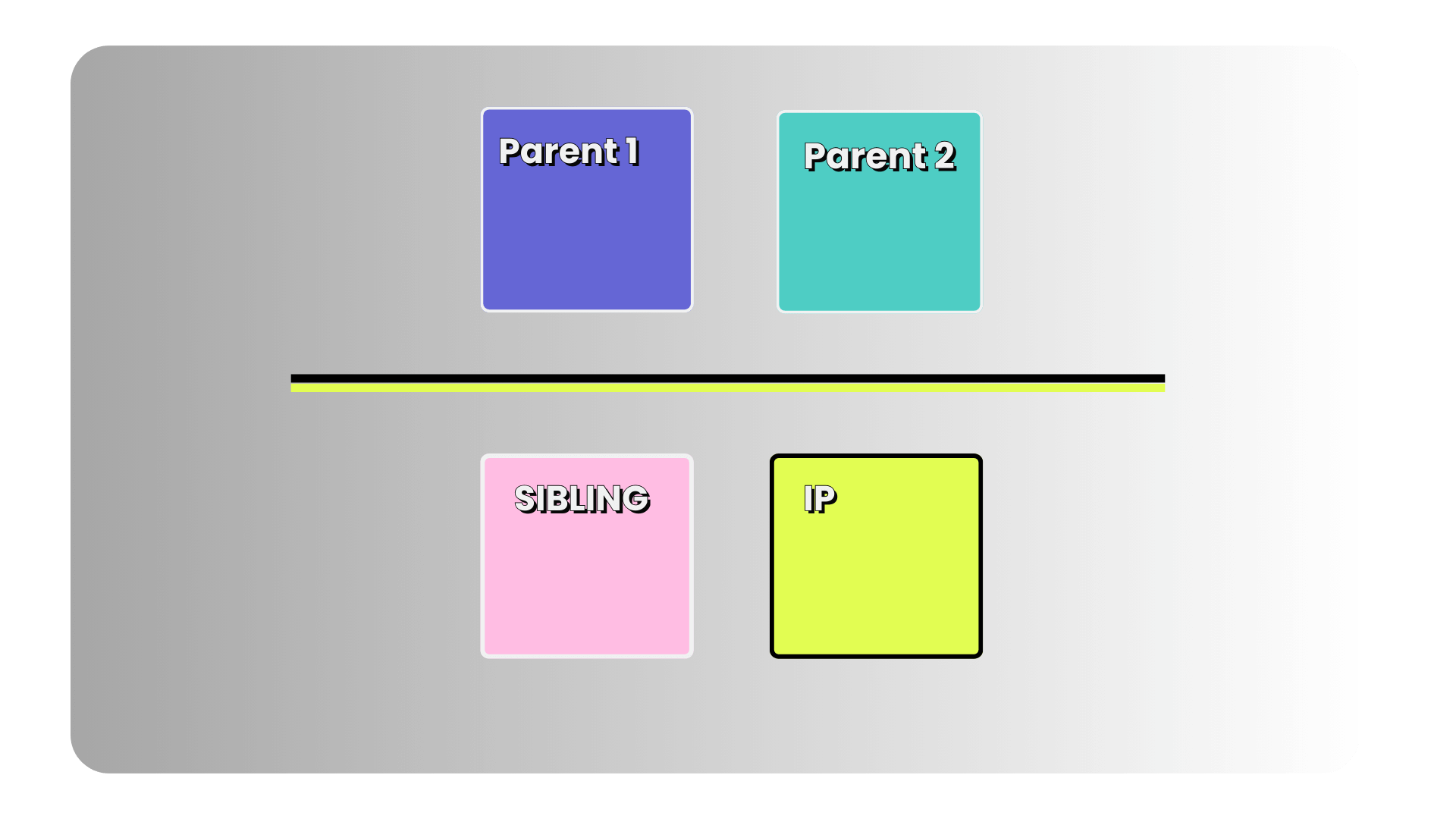
Family mapping transforms abstract relationship patterns into visual diagrams that reveal how family members interact, form alliances, and maintain boundaries. At its core, this technique uses simple symbols—squares for people, and various line styles to represent relationship quality—to create a spatial representation of family structure
When we think about family maps, it's helpful to imagine that what you create is just a simple visual snapshot of a family's emotional and relational life. Just as a traditional map uses specific symbols to represent cities, roads, and terrain, family maps employ distinct elements to capture the complex dynamics of family life. This map may chane over time, so it's important to know it's likely to change as conflicts get resolved and you help find new ways to get the fammily to support and connect.
The essential components include boundaries (shown as solid, dotted, or dashed lines indicating closeness or distance), subsystems (groupings like the parental or sibling subsystem), and coalitions (unhealthy alliances between family members across generational lines). structural family therapy emphasizes how these elements either support or undermine family functioning. A practical approach involves creating diagrams during therapy sessions, with therapists sketching relationships in real-time. Many practitioners reference a family therapy mapping pdf for standardized symbols, ensuring consistency across sessions. These visual tools help therapists identify problematic patterns—like enmeshed parent-child relationships or isolated family members—that verbal descriptions alone might miss. The immediate visual feedback often sparks client recognition: "That's exactly how it feels."
The Building Blocks Of Family Mapping
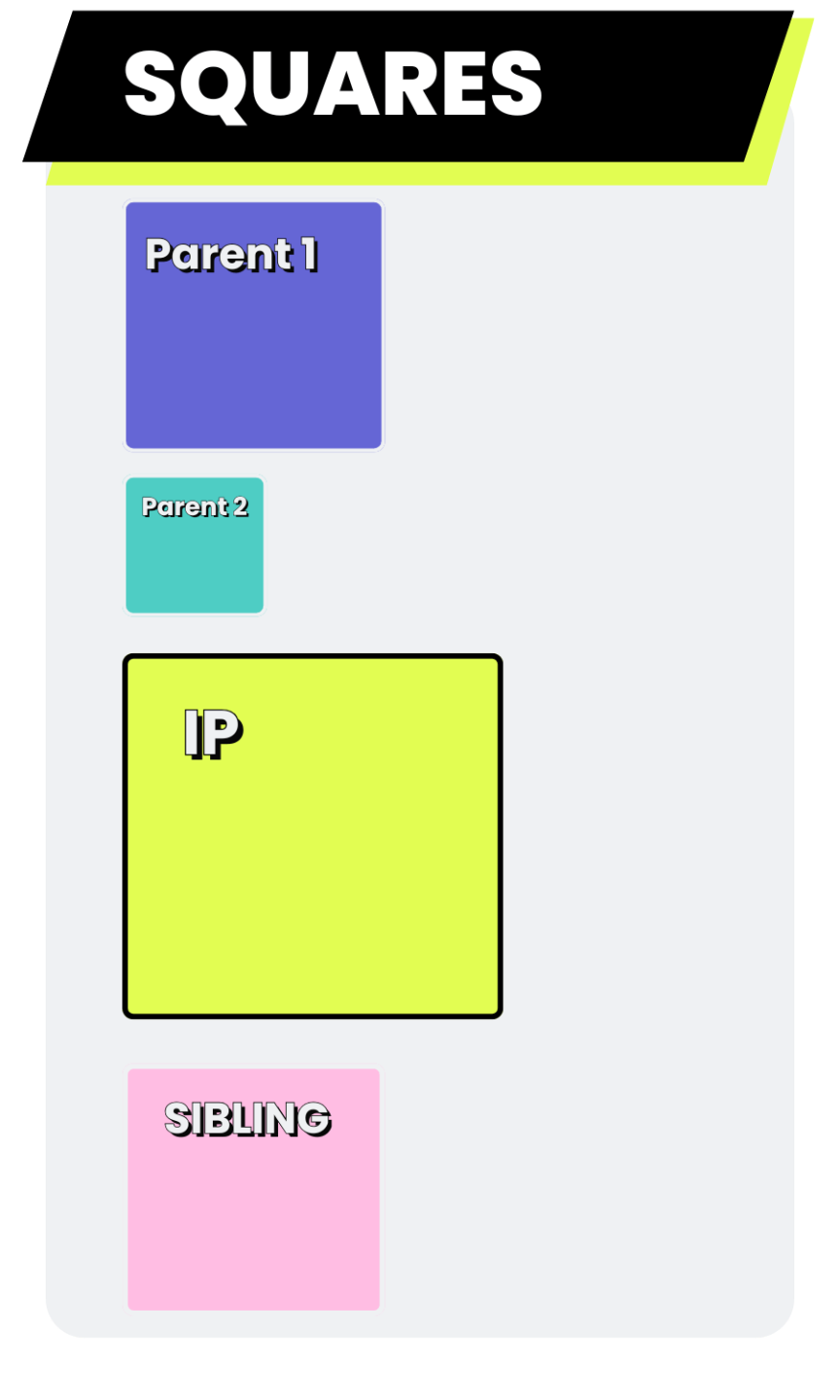
Squares represent individual family members, making them the fundamental units of any family map. While this might seem basic, the beauty lies in how we can start using these squares to convey additional information about people in the family.
- Different sizes can represent perceived power or influence within the family
- Colors can add another layer of meaning, though interpretations should be discussed with the family
- Names or initials inside the squares help identify family members
- Ages can be included when relevant to understanding developmental stages
- The person in the family with 'the problem' either mental health or behavioral symptoms is known as the Identified Patient, or the IP.
The Space
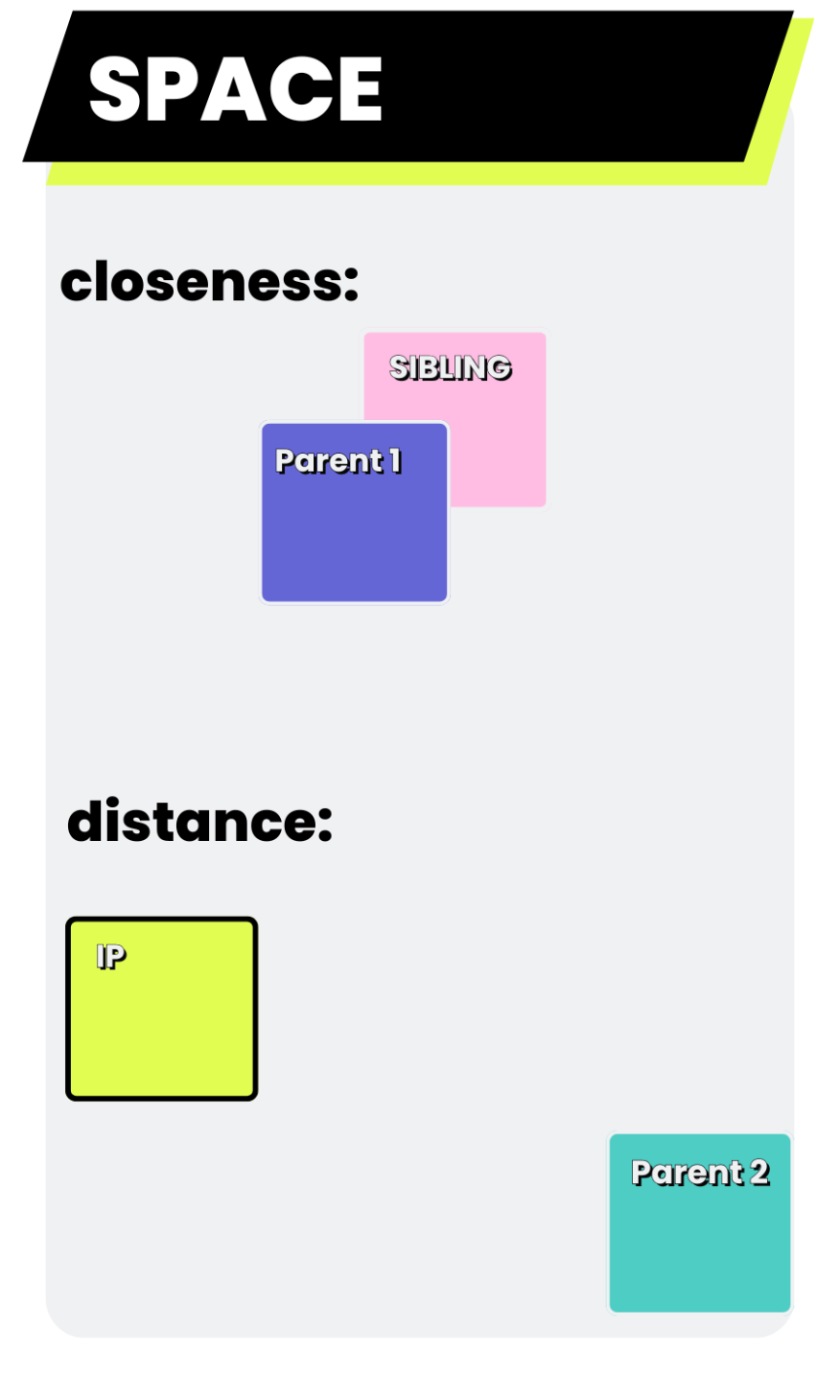
The physical distance between elements on a family map represents emotional closeness or distance in relationships. This aspect of mapping helps visualize:
- Emotional closeness between family members
- Alliances and coalitions
- Disengagement patterns
- Over-involvement or enmeshment
For example, two squares placed very close together might indicate an enmeshed relationship, while elements placed far apart suggest emotional distance or disengagement.
Boundaries
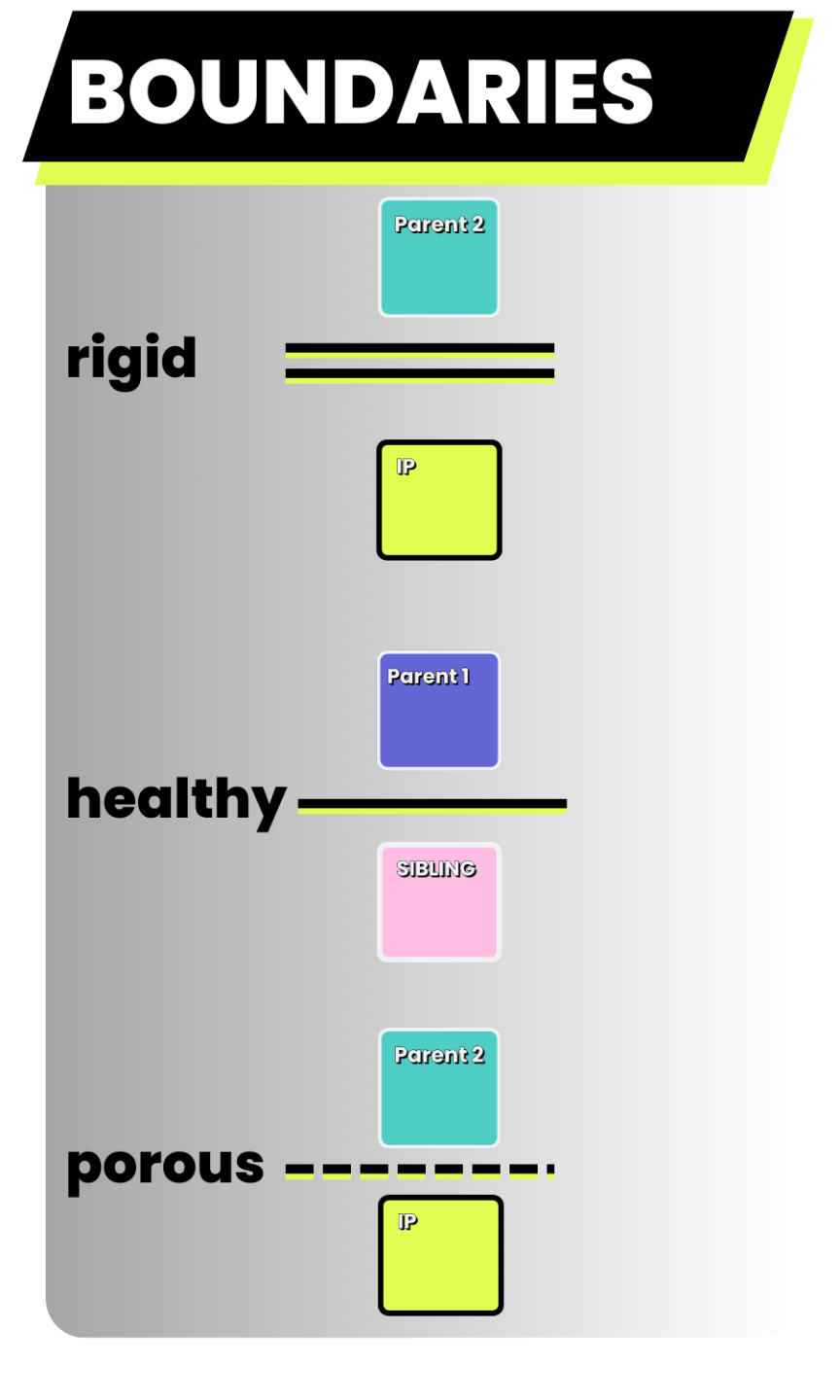
Boundaries in families are like invisible fences that regulate emotional closeness and interaction patterns. Family mapping makes these invisible boundaries visible through different types of lines:
- Solid lines represent healthy boundaries - clear rules and expectations with appropriate flexibility
- Dotted lines indicate porous boundaries - too much emotional spillover between family members
- Double lines show rigid boundaries - excessive emotional distance or inflexibility
When drawing these boundaries, we typically surround subsystems or connect individual members. For example, a solid line around parents might indicate a healthy marital subsystem, while dotted lines between a parent and child might suggest enmeshment.
The Subsystems
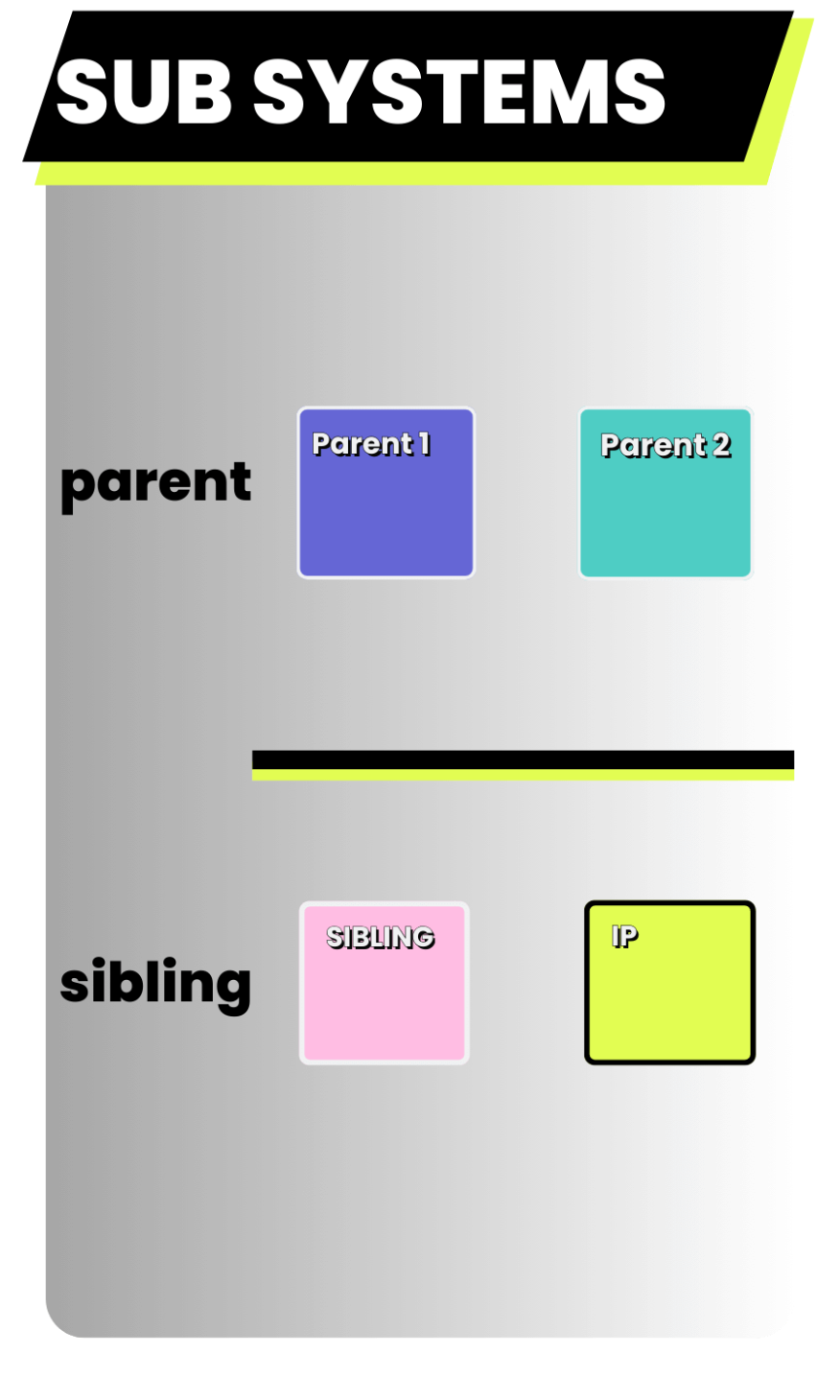
Every family contains multiple subsystems – smaller groupings that serve specific functions. The three primary subsystems are:
- The Spousal/Partner Subsystem: The adult relationship that forms the foundation
- The Parental Subsystem: Adults in their role as caregivers
- The Sibling Subsystem: Children's relationships with each other
Family maps help visualize these subsystems by grouping relevant members together and showing the boundaries between groups. This allows us to see how well each subsystem functions and maintains appropriate boundaries with other parts of the family.
Power and Hierarchy:
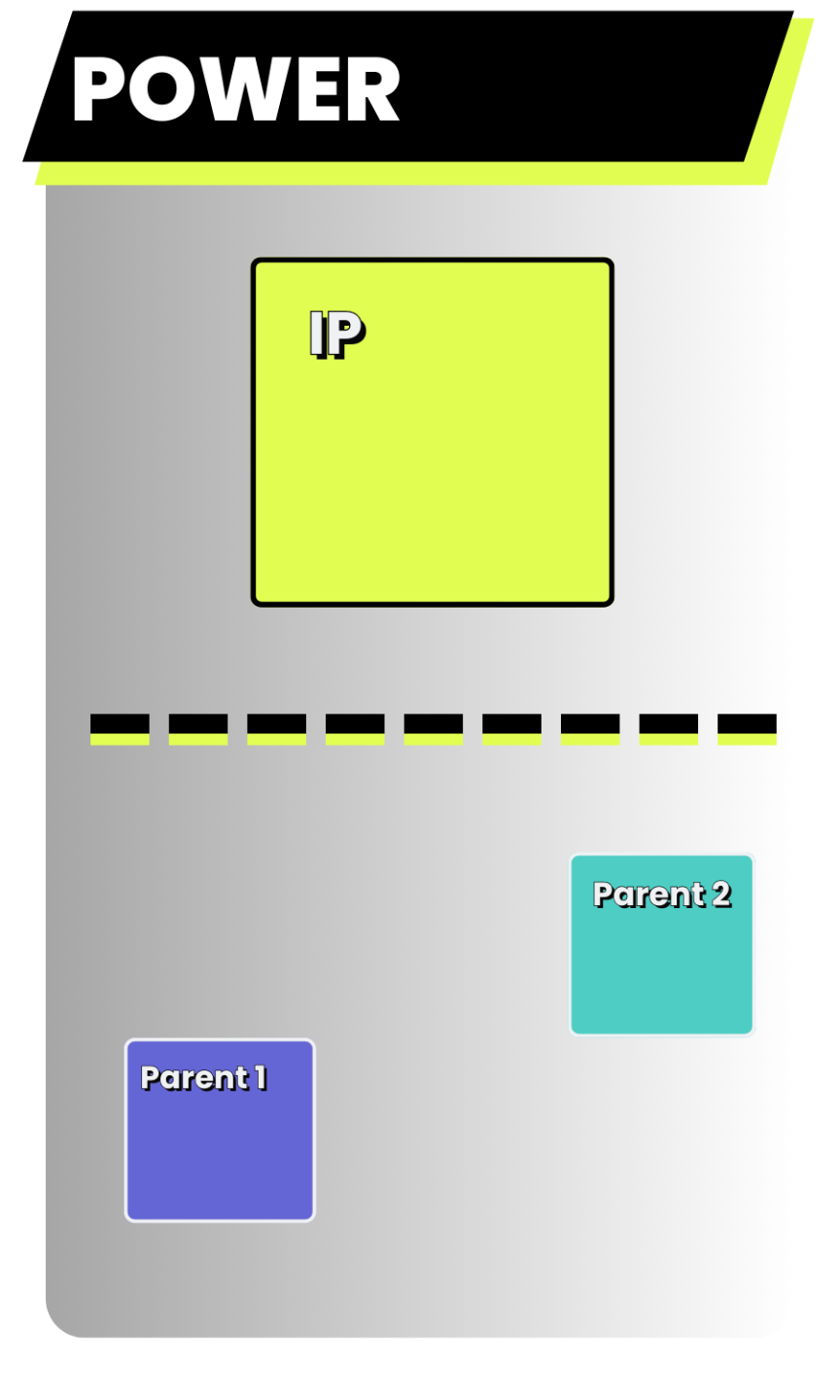
Power dynamics in families are represented through the strategic positioning of squares on the map – typically, the higher up an element appears, the more power it holds in the family system. This helps identify whether the family has:
- Appropriate hierarchical structure (who is in charge)
- Inverted hierarchy (children wielding too much power)
- Power struggles between subsystems
- External factors dominating family life
A functional family map usually shows parents at the top level, working together to lead the family, with children at lower levels according to their developmental stages.
When to Use Family Mapping:
Family mapping is most useful when a client's verbal account of their relationships is incomplete, contradictory, or emotionally charged in ways that block productive conversation.
First Session Assessment
When a family first enters therapy, mapping can be an invaluable and strategic tool for understanding their current dynamics and structure. I use it often to capture my impressions of the family and to formulate my hypothesis, other therapists use this as form of process notes to keep track of relationships interactions.
Picture a scenario where parents bring their teenager in for "behavioral issues." As the family settles into your office, you notice the son sits between his divorced parents, and mom frequently speaks for him while dad remains quiet and distant.
Creating a family map in this moment captures vital information about hierarchy, boundaries, and alliances that might be contributing to the presenting problem.
The map becomes a baseline assessment tool, showing how the son's position between parents might reflect emotional triangulation, while the communication patterns suggest possible boundary issues between mom and son.
When You're Stuck
Sometimes therapy reaches a point where progress seems to stall. In these moments keeping positive is hard in social work or therapy and you might be aware that members may be losing faith, or perhaps families may start dropping out of treatment.
Creating a new family map with individuals can be a strategic way to reveal subtle changes that have occurred or highlight persistent patterns maintaining the problem. Imagine working with a family where despite months of therapy, the teenage daughter continues to have angry outbursts.
An SFT map might reveal that while the caregivers relationship has improved, they're still triangulating their daughter into their conflicts in subtle ways.The visual representation helps the family see strategic patterns they might miss in regular conversation, creating new opportunities for therapeutic movement. Comparing current and past maps can help the family recognize progress they've made and obviously the therapists help highlight areas still needing attention.
As A Family Therapy Activity
I have found that including the family in creating a family map has a great impact in engagement and as a tool to explore anything from communication to conflict. It can provide you with several opportunities to understand the family, and create a bit of a community vibe or therapeutic alliance. Some therapists work with the family to create them together and other therapist may ask family members to do them one at a time and share with each other.
What's An Example Of A Family Map?
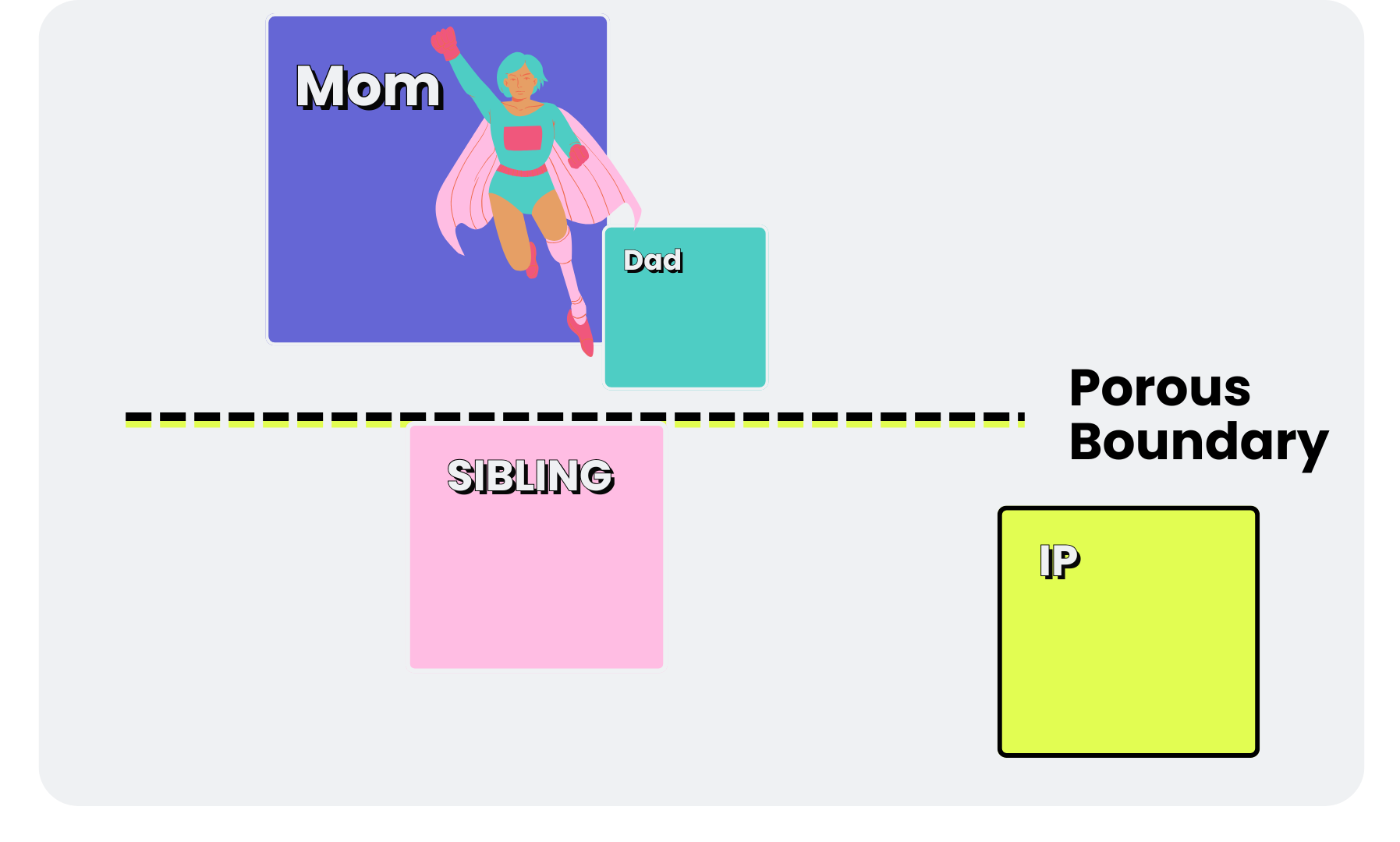
This is a decent example of a family map that shows an family map that's gone askew. You can find out a lot more in the video below.
Check out more family therapy mapping examples here.
Mapping the Peterson Family
At first glance, the Petersons appeared to be a loving and supportive family. However, a deeper analysis of their interactions uncovered significant structural imbalances:
-
Parental Hierarchy Imbalance – The Mom held dominant control over family decisions, making her the over-functioning "superparent." She scheduled the therapy session, directed seating arrangements, and led the conversation about their son’s behavior. The father (Alan), in contrast, played a more passive role, reinforcing an imbalance in the parental subsystem.
-
Sibling Roles and Differentiation – The family had created a stark divide between their two adopted children:
- Jenny (11) was positioned as the "golden child" who required additional care due to developmental needs. She rarely faced discipline, and her misbehaviors were either excused or ignored.
- Jimmy (12) was labeled as the "identified patient" (IP), meaning the family focused on him as the source of their problems. His persistent lying became the central issue, and he faced escalating, inconsistent punishments, reinforcing his role as the "problem child."
-
Physical and Emotional Distancing – The family's seating arrangement during therapy reflected their emotional structure. The parents and Jenny sat together on one couch, while Jimmy was isolated on another, symbolizing his exclusion from the family unit.
Using Family Mapping for Change
By identifying this information and putting it in a family map, it becomes much clearer what to do with regards to treatment plan and family therapy interventions.
It's much more clear now that the work should be focused on restructuring the family's approach to discipline, shifting parental dynamics to be more balanced, and reducing the disproportionate focus on Jimmy. The goal was to move from a punitive, chaotic system to a fair, structured approach where both children were treated equitably, and both parents took active roles in discipline.
Structural Family Therapy Case Study: Liar Liar!
Get the Family Mapping PDF right to your inbox.
How Does Family Therapy Mapping Differ from Genograms?
Family therapy mapping differs from genograms by representing dynamic relational processes, boundaries, and emotional experience rather than static family history.
Genograms document genealogical structure at a single point in time. Mapping techniques show how a family system is currently functioning—who holds power, where boundaries are rigid or diffuse, and how members perceive their emotional proximity to one another. Clinicians use mapping when assessment needs to capture change across time or reflect a client's subjective relational experience. Some approaches use physical objects or participant-drawn diagrams rather than standardized symbols.
In structural family therapy, mapping is used to identify subsystem organization and boundary patterns as they appear in the room, guiding intervention decisions session by session.
Key distinctions therapists use in practice:
- Genograms document lineage and historical structure using standardized notation
- Structural maps illustrate subsystems, boundaries, and transactional rules
- Cumulative mapping tracks living arrangement changes from birth to present
- Participant-driven tools like paper sculptures externalize a client's internal relational experience
- Future-oriented mapping helps families envision alternative relationship patterns
Understanding these differences allows therapists to select the right tool for the clinical question at hand.
What Are The Benefits of Using Family Therapy Maps in Counseling?
Family therapy maps help therapists and clients visualize relational dynamics that are difficult to access through conversation alone.
Maps externalize abstract experience. When clients arrange objects or draw their family system, hidden patterns—rigid boundaries, coalition dynamics, emotional distance—become visible to everyone in the room. This shared view allows the therapist and family to examine structure with more objectivity than verbal discussion typically allows. Mapping is also accessible to clients who struggle with abstract language, making it useful across a wide range of presentations.
Structural family therapists use maps to make subsystem boundaries and transactional rules observable during the session, which directly informs intervention decisions in real time.
Core benefits clinicians report across mapping approaches:
- Reduces early-stage anxiety by giving clients a structured, task-focused activity
- Captures cumulative family history including transitions, instability, and non-residential members
- Externalizes a client's internal perception of emotional closeness and distance
- Connects family-of-origin patterns to current relationship dynamics
- Supports future-oriented work by helping families visualize alternative relationship structures
Therapists who integrate mapping tools consistently report clearer assessment and faster alignment with the family on what needs to change.
When Should I Use Family Mapping In Therapy?
Family mapping is most useful when a client's verbal account of their relationships is incomplete, contradictory, or emotionally charged in ways that block productive conversation.
Mapping gives clients a concrete task to focus on, which reduces early-stage anxiety and lowers defensiveness. It is particularly effective with concrete thinkers, blended families navigating competing household rules, and couples whose patterns are rooted in family-of-origin dynamics. For families managing chronic illness or a history of trauma, mapping techniques like positive and negative timelines help surface evidence of competence that chronic stress has obscured.
In structural family therapy, mapping is used in early sessions to assess boundary patterns and subsystem organization before moving into active intervention.
Clinical situations where mapping is strongly indicated:
- Verbal exchange has become circular or emotionally dysregulated
- Assessment needs to capture cumulative family instability across time
- The client presents as a concrete or literal thinker
- Blended or stepfamily dynamics involve colliding role expectations
- Trauma history has overwhelmed the family's sense of competence or continuity
Use caution with clients who are borderline psychotic or who lack sufficient ego strength to process high volumes of emotionally intense material quickly.
Knowing when to introduce mapping—and when to hold back—allows therapists to use the tool precisely, rather than routinely.