
Hierarchy in Family Systems Therapy: What It Is, How It Fails, and How to Assess It
Apr 27, 2026
What Is Hierarchy in Family Systems Therapy?
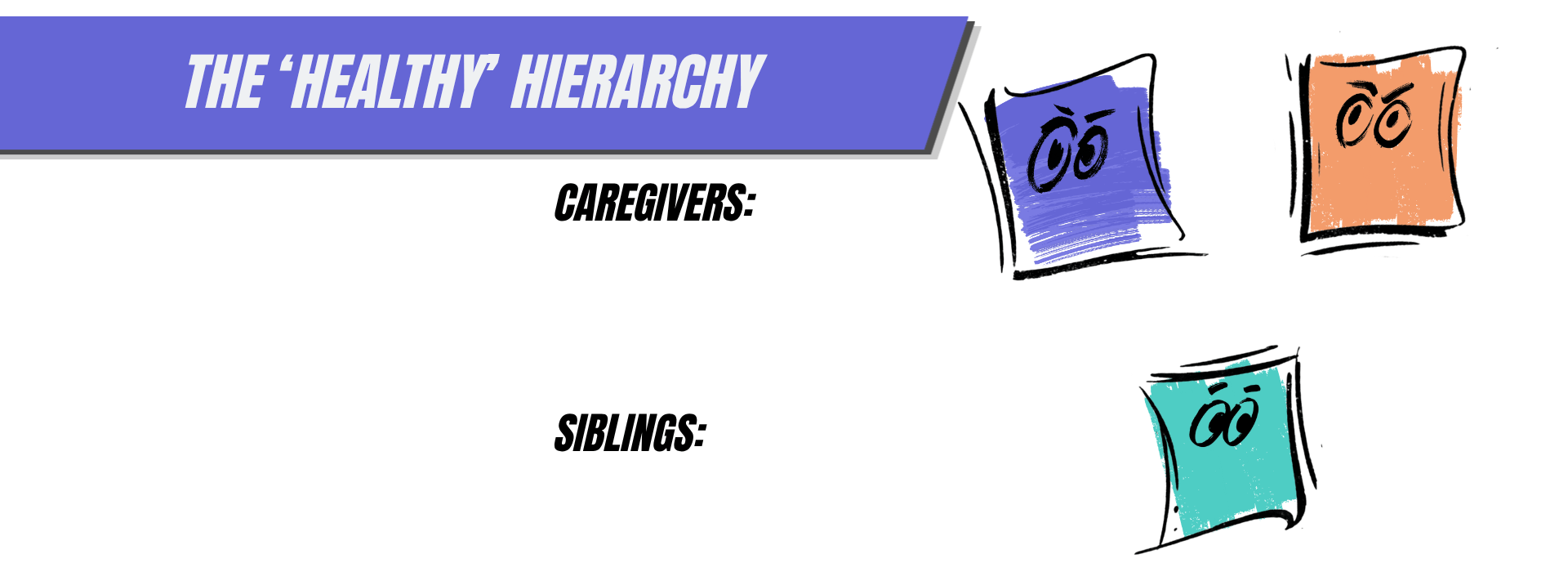
Hierarchy in Family Systems Therapy refers to who and how has the most influence in a family, with the idea being that adults and caregivers should have the most, and children the least.
Many training programs misunderstand hierarchy and treat it as a matter of strictness. In reality, structural family therapy defines hierarchy as the people responsible for parenting actually being in charge. It does not specify how warm or firm those caregivers should be, i created a 60 page free family therapy worksheets pdf to cover this and more things.
Salvador Minuchin’s structural model maps the family into subsystems. The parental subsystem includes those who have executive authority over parenting decisions such as bedtime, curfew, schooling, and rules. The sibling subsystem is for the children. If the adults are a couple, there is also a spousal or partner subsystem for adult decisions and intimacy.
A clear hierarchy means these subsystems fulfill distinct roles. Parents make the parenting decisions, not the children.This might seem obvious, but in clinical practice, it is rarely the case.
Research supports this idea. A longitudinal study published in Development and Psychopathology found that families with low hierarchical structure, from infancy through late middle childhood, were directly linked to youth antisocial behavior. Early caregiving patterns and parent-child conflict were significant predictors. Minuchin’s framework is not only clinically intuitive but also supported by evidence.

If you want to learn more about the structural model, My People Patterns offers an in-depth examination of structural family systems theory, including boundaries, subsystems, enmeshment, and hierarchy.
If you work with families and would like to receive clinical frameworks like this each week, the Family Systems H.I.T. newsletter is free and practical. Sign up for the Family Systems H.I.T. newsletter here
Hierarchy and Child Development
A common reason for hierarchy breakdown is not a dramatic family crisis, but rather a developmental lag.
Parenting strategies that work for a five-year-old do not work for a fifteen-year-old. The gap between a child’s developmental stage and the way parents continue to parent is, in my experience, one of the most overlooked clinical issues in family work.
The handover looks something like this:
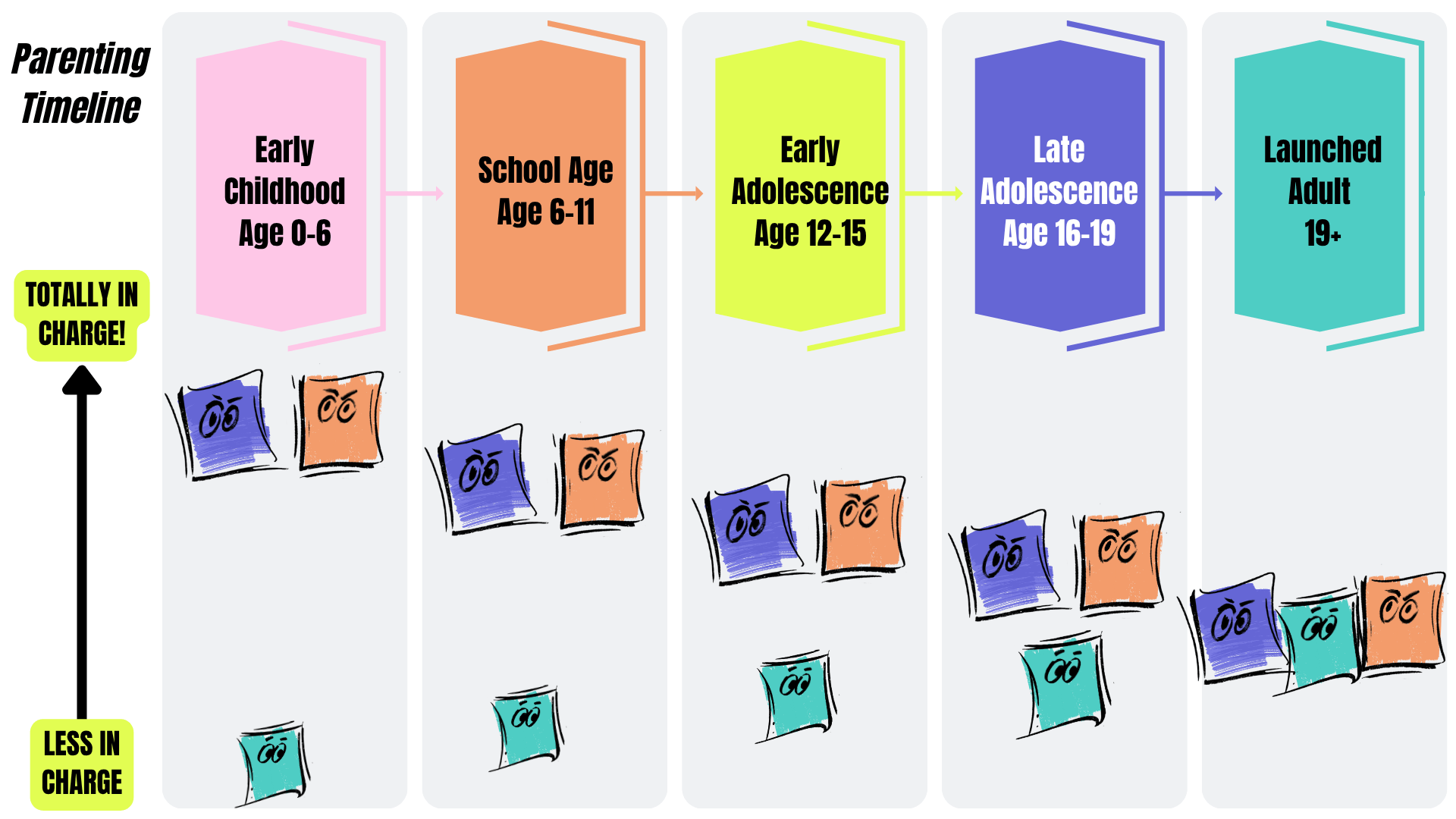
- Early childhood: Parent. The transition of authority as children grow usually follows this pattern: non-negotiable. The child needs safety before everything else, and safety requires predictability.
- School age: Rules become explicit. Children begin to learn that consequences follow actions.
- Early adolescence: Caregivers shift from managers to negotiators. Non-negotiables stay non-negotiable, but there’s appropriate flexibility where it’s earned.
- Late adolescence: The parent becomes more of an advisor. Authority matches demonstrated responsibility. Stay out later on Saturday? Sure, if the track record supports it.
- Young adulthood: The relationship gradually shifts to a peer-based one. Advice is offered when asked rather than imposed.
A teenager who is parented as if they are six may develop behavioral problems, anger, and possibly mental health symptoms. A five-year-old given the freedom of a fifteen-year-old is likely to be restless and unsupervised while the parents are distracted.
Family therapy aims to realign disrupted hierarchies, restoring balance and improving family functioning. However, realignment is only effective if you first understand which stage of the transition the family is struggling with.
Four Hierarchy Problems You’ll Actually See in Sessions
Most family therapy literature discusses hierarchy in abstract terms. Here are four patterns that commonly appear in real clinical work.
The Soft-Hard Split
In some families, one parent is stricter while the other is more lenient. Each parent’s response makes sense to them individually. The strict parent sees their partner being lenient and becomes even stricter to compensate. The softer parent sees their partner being strict and becomes more lenient to balance things out. Together, these reactions make the problem worse.
The child soon learns that if one parent says no, the other might say yes. This leads to behavioral issues such as entitlement, testing rules, and sometimes substance use. The family system teaches them that limits are negotiable.

The Parentified Child
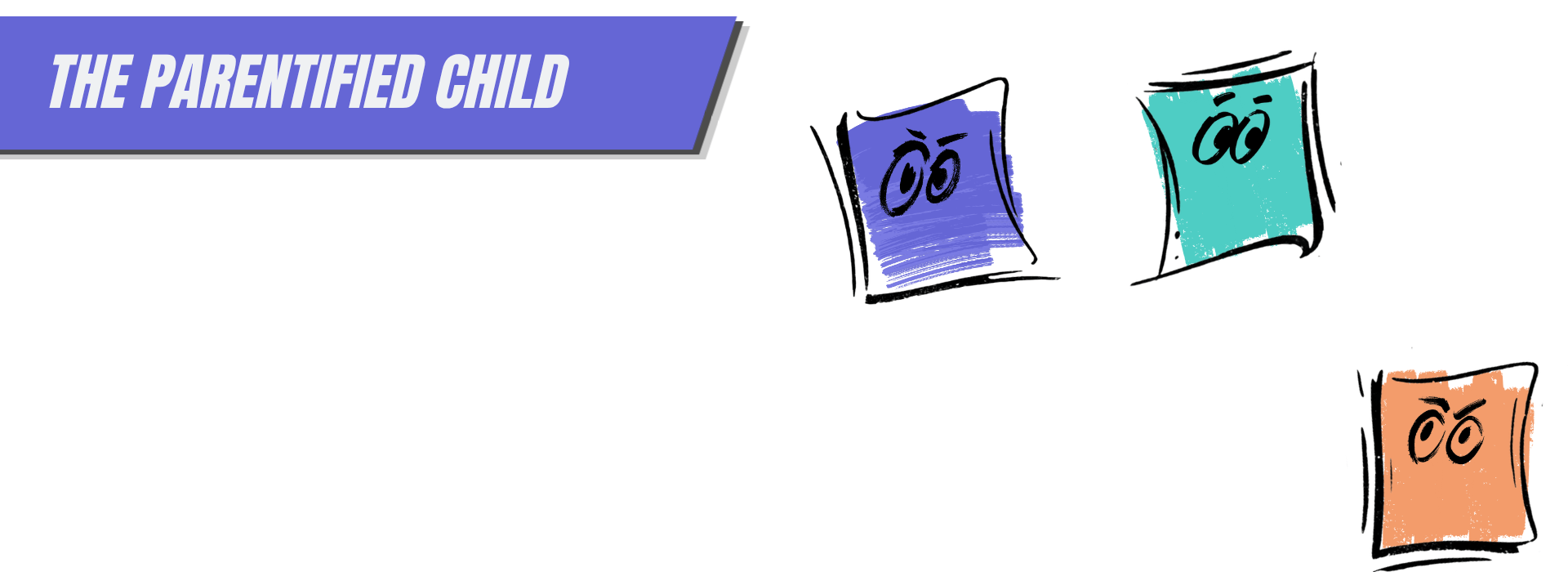
This occurs when a child is drawn into the parental subsystem. Sometimes this happens because a parent is ill or unable to manage all parenting responsibilities. Other times, a parent steps back, either intentionally or unintentionally, and the child takes on the role.
A parentified child manages information, gives instructions, and makes decisions that are far beyond their developmental stage. This takes away their childhood. The stress of adult-level responsibility is too much for children to handle.
The Monarch Minor
Some parents who experienced cold, strict, or dismissive caregivers decide to parent very differently. They want to be warm, patient, and loving, and that instinct is understandable.
The problem arises when 'not like my parents' becomes 'never say no.' Children need limits, not as punishment, but to learn that the world is predictable and safe. When parents cannot maintain limits, the child ends up running the household. They decide on meals, school attendance, and bedtime. The family becomes controlled by a child who did not ask for that responsibility and does not know how to handle it.
Sending that child to individual therapy does not change much because the family system itself remains the same.

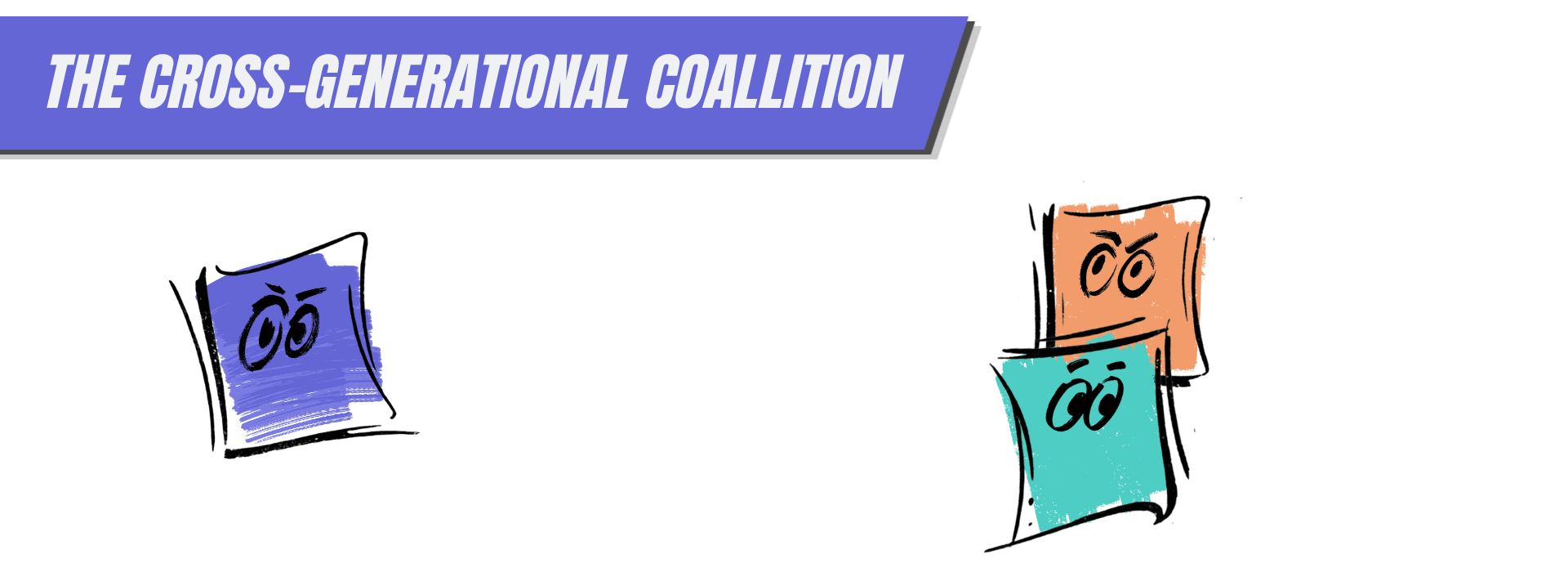
The Cross-Generational Alliance
This is likely the most overlooked pattern in family work. An alliance involves two people connecting with each other, while a coalition involves two people joining together against someone else. A cross-generational coalition occurs when a parent and child align against each other. This pattern can begin as a soft-hard split and become more pronounced over time. The identified patient’s symptoms frequently function as a 'messenger,' communicating problems within the wider family system. In coalition dynamics, these symptoms are usually the child’s way of indicating the pressure they feel.
The clinical data on this pattern is notable. In a study of young adults in residential drug treatment, 75 to 85 percent reported feeling very close to one parent while rejecting the other, often alongside the close parent. Substance use and family coalition structure are connected.
How to Assess Hierarchy in a First Session: The WIRES Framework
Most assessment models for family hierarchy use direct questioning. If you ask parents who is in charge, they will tell you who they believe is in charge. This is not always the same as who actually holds authority.
WIRES is a structural observation framework that you can use during or after a first session to build a working map of family hierarchy without asking direct questions.
W — Who speaks for whom?
The most talkative person in the room is often the family’s main communicator, the one through whom all communication moves. However, speaking the most does not always mean having the most power. Pay attention to who speaks and on whose behalf.
I — Interruption patterns
Observe who interrupts whom and who gives in when interrupted. Notice who is cut off and does not respond, and who talks over others without being challenged. These interruption patterns are clear indicators of power dynamics in a session.
R — Room layout and proximity
Hierarchy helps us understand the family’s structure and how subsystems regulate decision-making. The way people sit regularly reflects their emotional relationships. Who sits next to whom? Who is closest to the identified patient? Who is furthest away? Proximity may indicate alliance, while distance may suggest conflict or disconnection.
E — Executive function
Who walked in, giving instructions? Who decided where everyone would sit? Executive function is not always held by adults. Sometimes a grandparent is silent, but everyone defers to them. Sometimes a twelve-year-old directs the conversation. Assess who is actually in charge, not just who is supposed to be.
S- Silence
In every family session, there is often one person who says very little. They are not mentioned in the initial story and do not contribute much. It may be tempting to overlook them, but it is important not to.
The quiet, peripheral member is often the most structurally important person in the room. There is usually a reason the system needs them to remain silent. Your task is to discover why.
Run WIRES after one session, and you’ll have a working hypothesis about who actually holds power in that family. That’s enough to inform your intervention direction before you’ve asked a single assessment question.
Restoring Hierarchy: What Intervention Actually Looks Like
Once you have mapped the hierarchy, the next clinical task is usually to restore it. Many parents who come to family therapy already believe they have failed and are expecting confirmation of this. This is a clinical issue even before any discussion begins.
I’d suggest beginning by identifying the pattern, not the individuals. For example, you might say, “It seems like Jimmy is really running the show here, and it’s hard for you to say no to him. Is that right?” This way, the parent hears an observation instead of feeling accused.
Next, create opportunities for restructuring during the session. For example, I have asked a parent to bring back a child who left the room to play. I set the expectation by saying, “I need your child here, and I believe you can make this happen.” I provided support and did not let the parent give up. When a parent successfully takes charge, that moment can be more effective than many sessions of psychoeducation.
When the parent succeeds, acknowledge it right away. For example, say, “Did you notice what just happened? You held the limit, and he backed down. That’s new.” Giving detailed praise helps reinforce the behavior. The child’s actions are a message, and the message concerns hierarchy.
Hierarchy in family systems therapy seems simple at first, but becomes complex when applied to real families. The theory is clear: caregivers lead, and children are free to grow within that framework. In practice, things are more complicated. Parents may be exhausted, disagree on strategies, influenced by their own childhoods, and sometimes unsure if they are allowed to take charge. Use a concrete observation structure to map the hierarchy without making any family member feel interrogated. Once you have the map, restoration becomes the work. And restoration, done well, doesn’t require confronting parents about their failures. It requires giving them permission to try again.
A Clinical Perspective
This approach is much easier for families to accept.
Hierarchy in family systems therapy seems simple at first, but becomes complex when applied to real families. The theory is clear: caregivers lead, and children are free to grow within that framework. In practice, things are more complicated. Parents may be exhausted, disagree on strategies, influenced by their own childhoods, and sometimes unsure if they are allowed to take charge. Use a concrete observation structure to map the hierarchy without making any family member feel interrogated. Once you have the map, restoration becomes the work. And restoration, done well, doesn’t require confronting parents about their failures. It requires giving them permission to try again.
This approach is much easier for families to accept.
Hierarchy in Family Systems Therapy FAQs
What is hierarchy in family systems therapy?
Hierarchy in family systems therapy refers to the organizational structure within a family, specifically whether the caregivers or parents hold genuine executive authority over parenting decisions. In structural family therapy, based on Salvador Minuchin’s model, a healthy hierarchy means the parental subsystem makes decisions about rules, schooling, and family life, while children have appropriate freedom within that framework. It isn’t about strictness — it’s about who is functionally in charge.
What happens when family hierarchy breaks down?
When hierarchy breaks down in family systems, children’s symptoms are often the first visible sign. Common patterns include the parentified child (a child assuming adult responsibilities), the cross-generational alliance (a parent-child coalition against the other parent), the soft-hard parenting split (caregivers undermining each other), and the monarch minor (a child who effectively runs the household). Research links a weak hierarchical structure to youth conduct problems and antisocial behavior.
How do therapists assess hierarchy in family therapy sessions?
One functional framework for assessing hierarchy is WIRES: Who speaks for whom, Interruption patterns, Room layout and proximity, Executive function, and Silence and peripheral members. Running this observation framework during or immediately after a first session builds a working hierarchy map without direct questioning. It reveals who holds functional power in the family, which is often different from who is structurally supposed to hold it.
Is hierarchy the same as parental strictness?
No. In structural family therapy, hierarchy is about who holds parenting authority, not how firmly they hold it. A warm, permissive parent can maintain a clear hierarchy. A strict parent can unintentionally undermine it by being inconsistent or splitting with their co-parent. The question isn’t how tough a parent is — it’s whether children have appropriate freedom to grow within a structure where caregivers are genuinely in charge.
How does hierarchy change as children get older?
Healthy hierarchy shifts substantially throughout development. In early childhood, caregivers hold full authority. At adolescence, the parental role shifts from manager to negotiator, with non-negotiables maintained but room for appropriate flexibility. In late adolescence, parents function more as advisors. By young adulthood, the relationship becomes more peer-based. When parents apply the same parenting approach across these stages — particularly when they don’t adapt as children grow — it creates what structural therapists call a developmental lag, and behavioral or mental health symptoms often follow.
For more family systems theory training, check out Family Systems HIT - a course that guides you through structural family systems therapy one step at a time.