
Group therapy is even more challenging when it lives in the wrong tense.
If group members get in the habit of telling stories about their week or the drama that happened in their last job, they’re living in the past. The stories may well be moving, but usually just lead to listening and nodding. People sound thoughtful if they verbalize a reply, but nothing really changes.
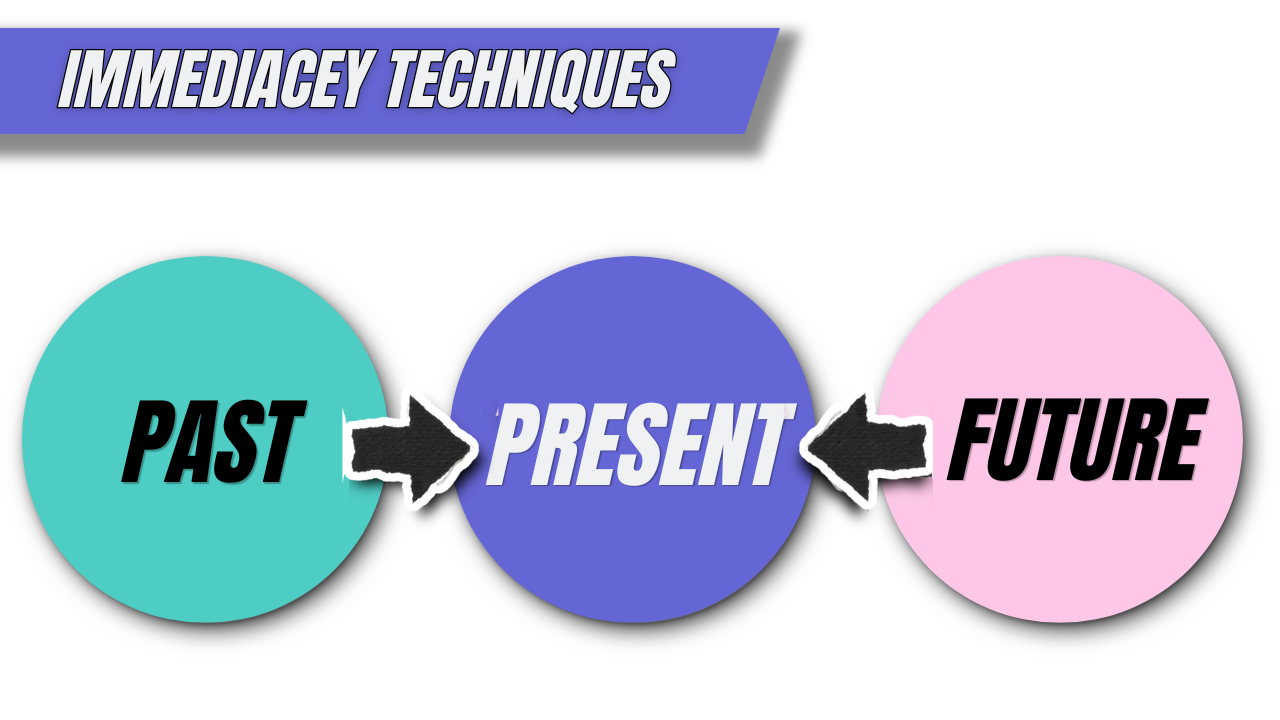
Immediacy is the technique I love that completely breaks this pattern by focusing attention on what’s happening right now, between people in the room. Instead of stories about others, it’s about the feelings present toward someone in the group, or the group leader.
This matters because group therapy thrives on the group therapist’s ability to help our clients in real time with in-the-moment interactions, connections, and dynamics.
Effective group therapy requires fostering in-the-moment connections in the ‘here and now’.
This week’s newsletter covers how to tell if a group is sincerely engaged or just looks active on the surface, and the most useful way I know to bring a group out of past-focused talk and back into the present, where real work happens.

You can get my full group therapy training on youtube for only $9.99 a month, just click 'join' under the title banner.
Aliveness Needs A Frame
In a group, here-and-now interactions only really matter if you’re able to connect them to the group’s real purpose: building the ability to have real relationships with others. If whatever was just shared was said into a vacuum, and no one responds, that can be really painful - maybe even mirroring relationship traumas from early childhood.
In individual therapy, we might heap lots of praise on a client who revealed a very personal feeling in the moment, but that’s not quite the best play in a group. Instead, I often turn to the group and ask what it’s like to hear what was just shared. Part of the group agreement is to share your experiences and to ‘turn your thoughts and feelings into words, not actions’ - and if the share was moving or personal, everyone in the room had some kind of thought or feeling in response.
The real work isn’t just getting an intimate disclosure from one member, but also getting the group to connect with the person who shared. If they don’t connect, I suppose we could go even deeper and consider why they’re not doing that either.
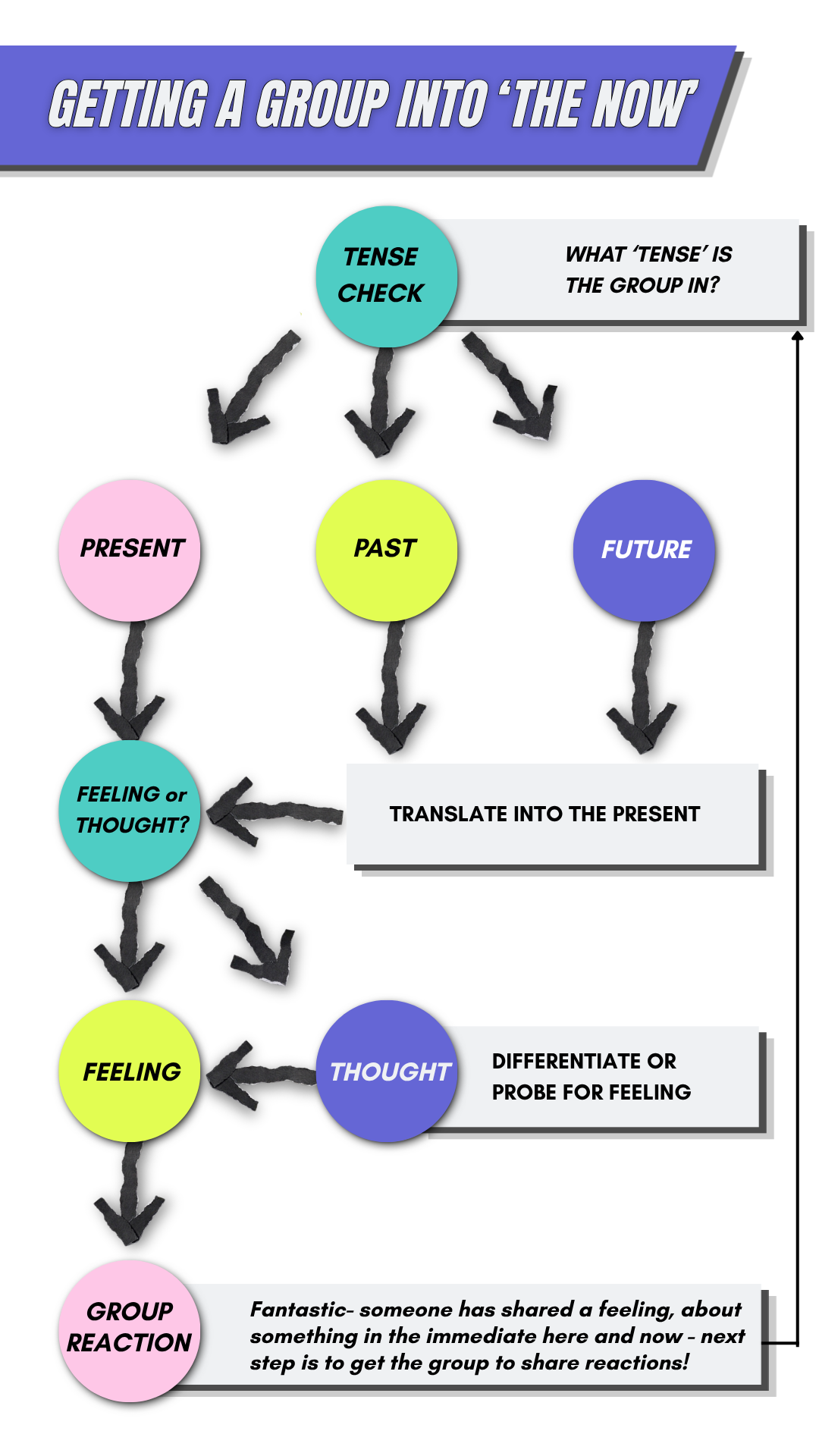
The diagram walks through the diagnostic in three checks.
Tense check first. Is the group in the past, the future, or the present? The past and the future both lead to the same move: translate into the present. That's the technique in the next section.
If they're in the present, check what kind of present it is. Is this a feeling, or a thought dressed up as one? "I feel like nobody listens to me" sounds present-tense, but it's actually a thought. Thoughts get a gentle probe. "And what's the feeling underneath that?" Keep going until you land on an actual feeling in the room.
Then check the group. Has anyone responded? If yes, stay out of the way. Someone has shared a here-and-now feeling, and the group has met them, which is what you've been working toward. If no, you're back to the gap I described earlier — aliveness in one body, silence in the rest — and the job is to make that gap visible and invite the room in.
Three checks, one intervention, and a loop that runs quietly in the back of your head for the whole session.
Translate The Past Into The Present
When a group is genuinely working, you'll often feel it before you can name it. However, if you feel bored, heavy, dissociated, or quietly annoyed at yourself for being bored, pay attention to it! Most of the time, that flatness isn't about you. It's a signal the group has drifted out of the present and into somewhere safer.
This technique, along with my frustratingly low tolerance for ‘historical reporting’, is probably the single most useful thing in my group therapy toolkit.
The When.
A member, or sometimes the whole group, has settled into a loop of historical complaint. Childhood stories. Recurring grievances about parents or exes. Other members have become commentators rather than participants.
The How.
Two options, and which one you pick depends on how direct you want to be.
The oblique version routes through the group. You turn to another member and ask what they think is actually being communicated right now. Not what the story is about in the abstract. What's being said in this room, to these people. You're asking the group to stop being an audience and start being witnesses.
- “Jimmy, what feeling is the group not talking about?”
- “Jenny, what’s not being discussed?”
- “Julie, how am I doing at being a group therapist today?”
The direct version is more confronting, and you use yourself as the pivot. It sounds something like this- and we’ll assume Jimmy is talking about that big argument he got into with his father two years ago that’s still not been resolved.
- "Jimmy, I wonder how you and I are going to resolve conflicts in our relationship."
- “I wonder, Jimmy, if you might be angry at ME as well as your father?”
Or a slightly softer version.
- "Who in this room makes you feel the same way your father did?"
Both versions take the grievance off an absent figure and put it into the group.
The Why.
Past talk is rarely just past talk. The same dynamic is almost always at play in the room, with better, richer, more accurate data than any memory will ever give you. When a member stays in the past, they're avoiding what they're feeling toward the people right in front of them. The group is a laboratory running in real time, and our job is to gently and repeatedly make the lab more useful than a memoir.
The Warning.
Don't move to the present too early. Some past material genuinely deepens understanding, and cutting someone off mid-history can land as harsh or dismissive. The test isn't whether they're talking about the past. It's whether the past talk is generating feelings in the room. If the group is leaning in, faces open, someone tearing up, leave it alone. If the group is going quiet, looking at the floor, or sliding into commentator mode, that's the moment to translate.
What's your usual move when a group gets stuck in past-talk? And what's your own body telling you when it happens? Drop me a comment, I read all of them and often end up writing future issues from what comes in.
Until next time, Oliver & My People Patterns
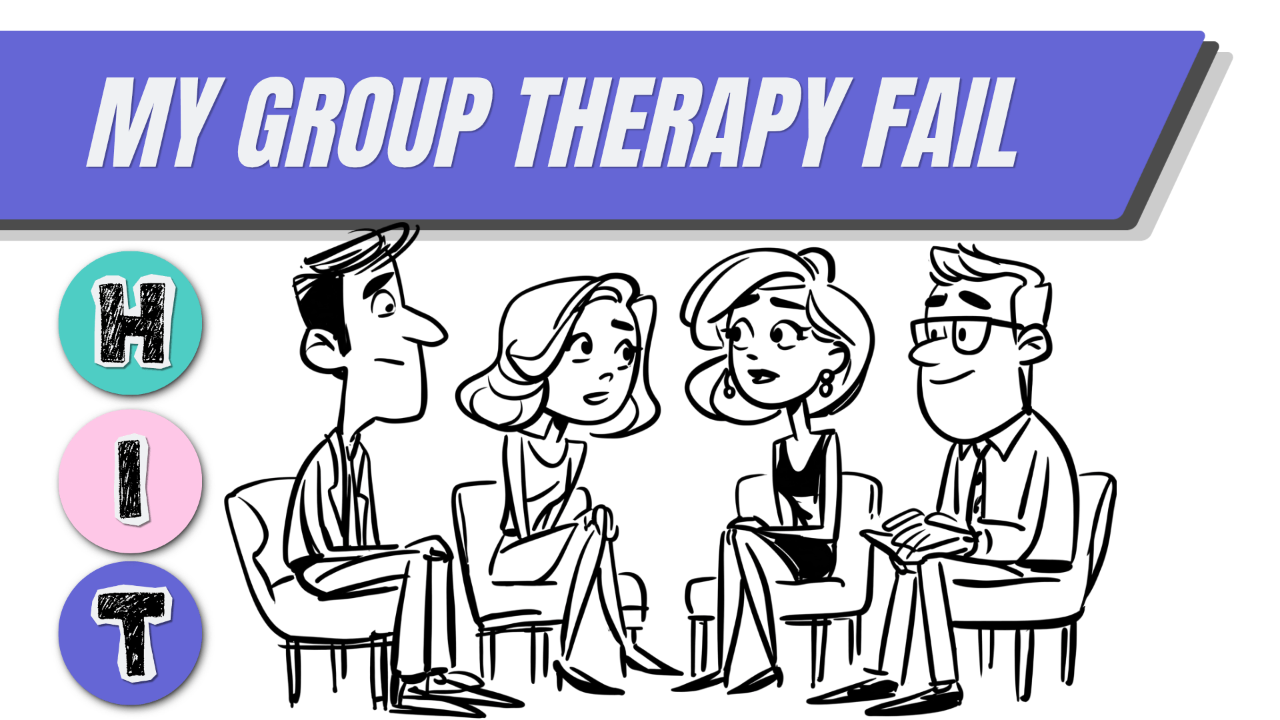
PS - I talk more about immediacy as a technique over on this video:
|


Responses