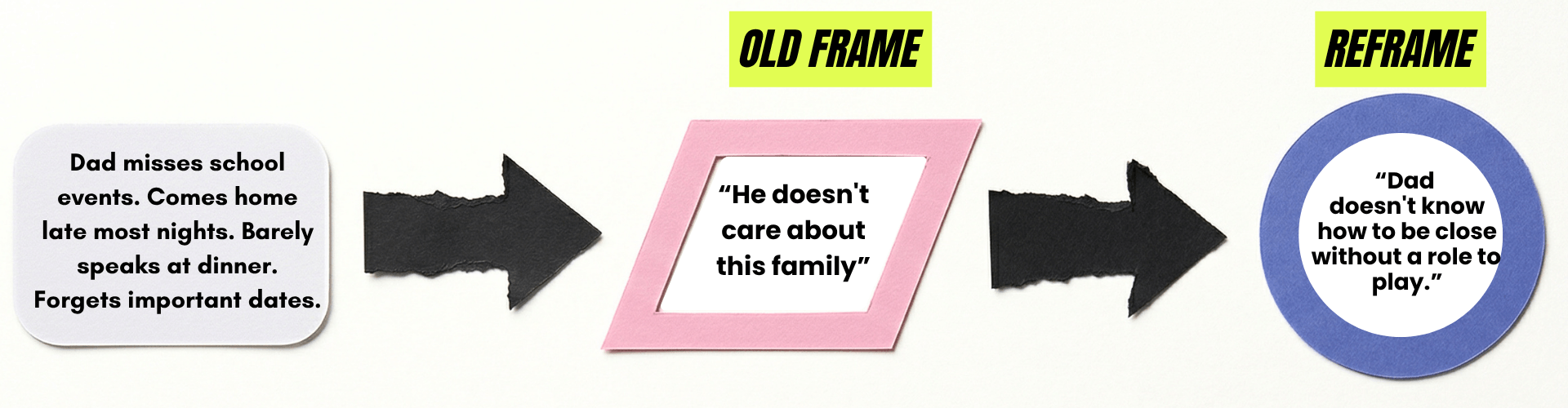
Reframing comes up a lot in training, but it’s rarely taught in a way that sticks. It looks straightforward: you see a problem one way, then help the family see it another.
It sounds like it should be easy, right?
In practice, they’re always a bit harder to land, and when a reframe tanks, we start to wonder if reframing actually works and what the point of them is.
What we often miss is that a reframe only works when it fits the family’s values, language, and emotional logic. If it doesn’t, it won’t help, and we lose the chance to help a family think differently.
This week, I’ll show you:
- How to create a reframe using a five-step framework called F.R.A.M.E.
- Help you practice your reframe skills with an experiential activity that walks you through how to make a solid reframe using this model
- I’ll explain each step, share the clinical reasoning, and give you tools for your next session.
- Plus, if you read to the end, you can download PDF filled with five examples I found to illustrate things even more.
What A Frame Actually Is (And Why Families Need Them)
Over time, families build a joint story about who has the problem, what caused it, what it means, and what should happen next. This story starts to feel like fact, not just opinion. For example, “We have a difficult child” becomes their truth, not just one way of seeing things. That’s the ‘frame’ of the problem.
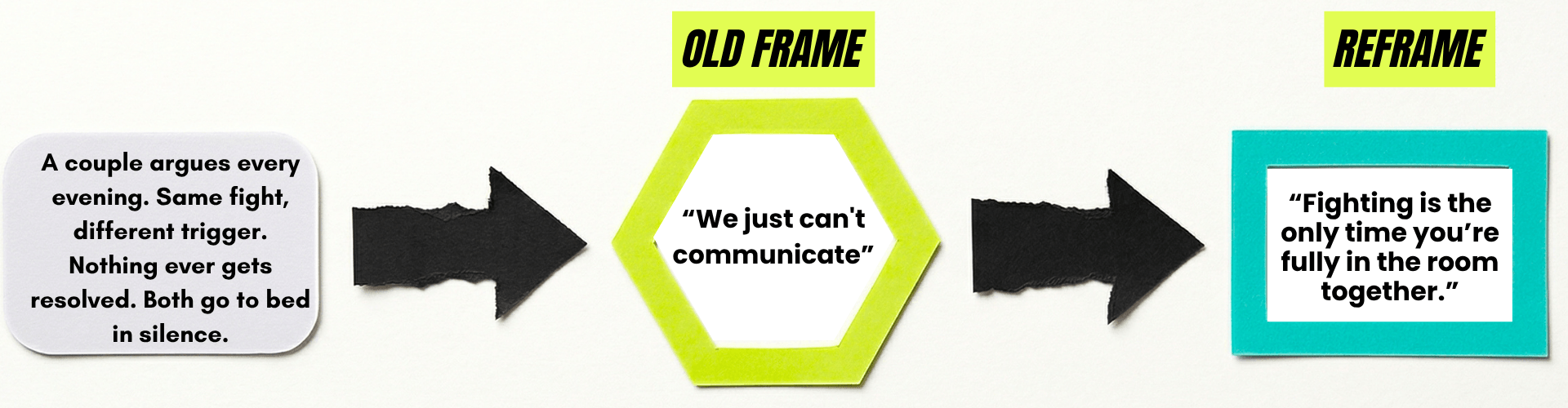
It’s hard for the family to notice the frame because everyone agrees on it.
This mutual story often makes it look like the problem is stuck inside one person, usually a child with a symptom. Once the family agrees, the problem is seen as the child’s, and the frame keeps things as they are. It shapes who is expected to change and what therapy should focus on. If you remove this frame too soon, it can cause more anxiety than relief, since the family has nothing else to hold onto yet. Before giving a new frame, it helps to understand what the current one does for the family.
A reframe doesn’t argue with the family or tell them they’re wrong. It simply puts a new frame around the same facts, giving the information a new meaning and, most importantly, pointing things in a new direction.
The Five Things A Good Reframe Has To Do
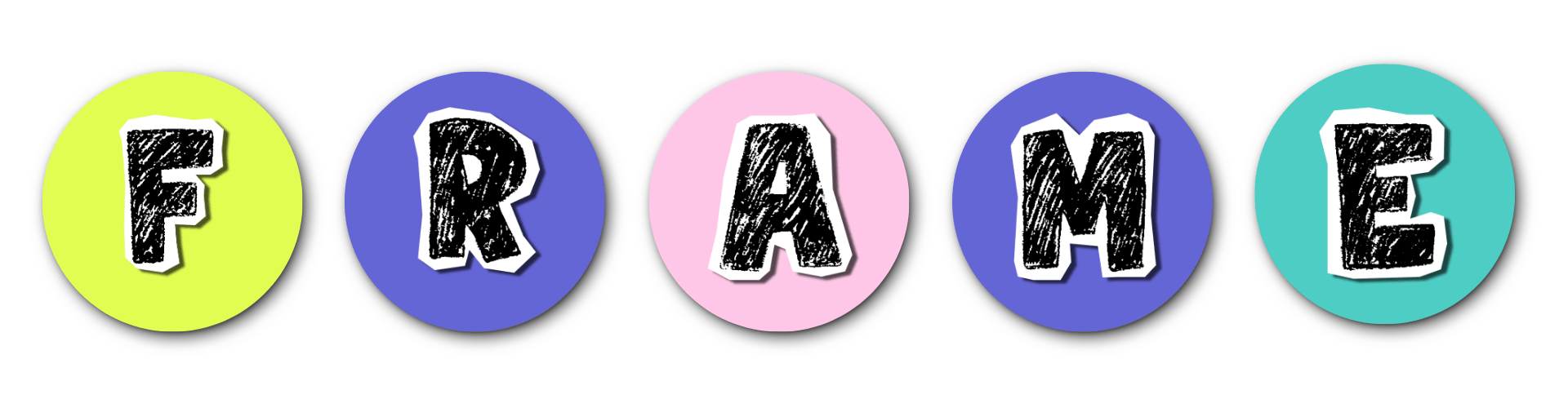
The framework I talk about in the video is called FRAME. Each letter t\represents a step, and the order matters because each is based on the last.
The video is one big experiential activity that helps you practice creating a reframe - let me know in the comments if this was helpful!
|
F: Focus on the family, not just the individual
Most reframes in family systems work start with a focus on the family over the person with the problem. Moving the problem from the IP to the family is the key step in this process.
Families often come to therapy with a mission to have you “fix our child.” The identified patient is in the room, and the parents are watching. The implicit agreement is that you’ll work on the problem person, while everyone else stays the same.
Your first job is to gently shift that agreement, without making anyone feel blamed, and move the problem from one person to the space between everyone.
- ‘Jake is withdrawn’ becomes ‘This family is in a pattern where withdrawal has become someone’s role.’
.This is often the hardest part, especially when parents resist thinking about the whole system.
Keep reading to learn more about ‘The Pivot Protocol For Parents’ that can help.
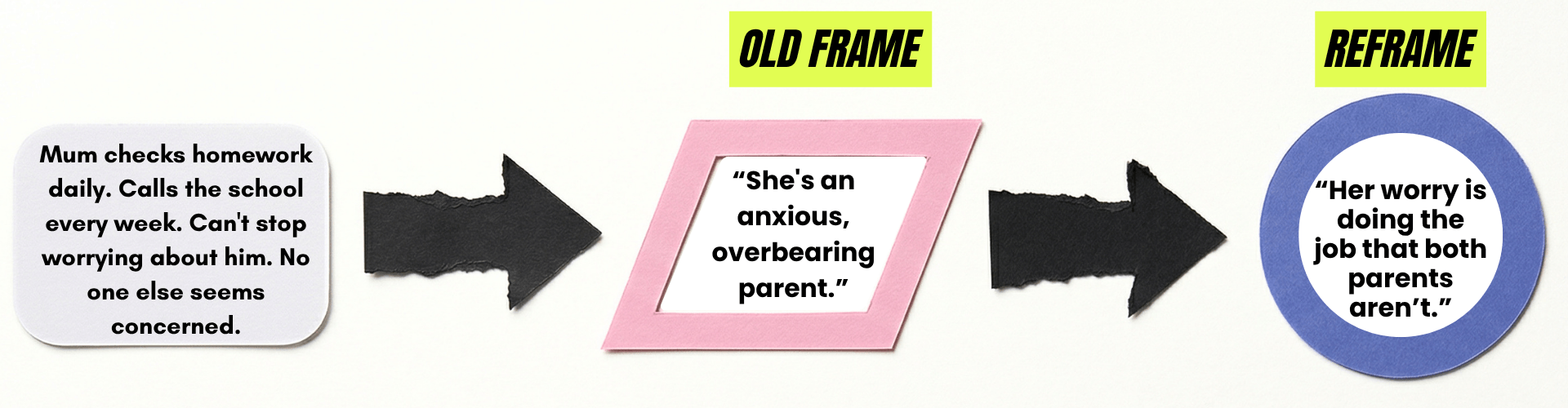
R: Reinterpret, don’t just relabel
This is where most attempts at reframing fall apart.
Relabeling is not just changing a negative word to a positive one.
- “He’s not withdrawing, he’s putting boundaries down’’ is not the way to go for a reframe to land.
The family has known this child for 15 years and has had way more. experience with their boundary-setting child. If your new frame doesn’t match what they’ve seen, they’ll dismiss it or, worse, feel patronized and lose trust in you.
A great reframe keeps the family’s evidence but changes its meaning. Essentially, we’re proposing something that asks if the same facts could mean something else.
- “Everything you’re describing—the withdrawing, the shutting down, that’s serious. It also takes a lot of effort. Something has made it feel very unsafe for him to show up here. Which makes me wonder what’s going on in this family that makes presence feel so risky.”
Same facts, but we’re asking a different question for them to consider.
A: Acknowledge the function
Once you’ve moved the problem into the relationship system and reinterpreted its meaning, the next step is to name what the symptom is doing for everyone, not just the identified patient.
Families often haven’t thought about this layer, and once you name it, they can’t ignore it. Withdrawal might keep parents focused on a shared project. Anxiety could bring a distant parent back into contact. Acting out might shift attention away from a marriage that’s quietly struggling.
Naming the function doesn’t mean the symptom is good or that the child is to blame for the parents’ dynamic. It’s about making the pattern visible. Once a family sees what a pattern does, it’s much harder for that pattern to keep running on its own.
M: Make it provisonal
The same reframe, delivered in two different ways, can get completely different responses.
If you sound too sure, like saying, “Jake is doing this because...,” the family hears it as a judgment. They get defensive, and the reframe shuts things down instead of opening them up.
The answer is to use tentative wording that shows you’re sharing an idea or being curious. Instead of saying,
- “What’s happening here is...,” try,
- “I might be getting this wrong, but...”
Reframes are invitations, not diagnoses. Using provisional language helps the family feel like co-discoverers, not just subjects of your ideas. It also lets them push back, and their feedback is often the most useful clinical information you’ll get.
E: Exit with an opening
A reframe isn’t complete until it opens up new possibilities.
The old story, where Jake is the problem, only leads to one outcome: someone has to ‘fix’ Jake. A new story is only helpful if it points the family in a new direction and offers more options . So, the last step is to end the reframe with a question or invitation that shows what the new frame makes possible:
- "What would it look like if Jake didn't have to carry this anymore? What would it mean for him—and for the two of you—if the connection between you wasn't something he had to create?"
Now, the reframe has changed not just how the family sees the problem, but also what they believe their role is in solving it.