

In the consultation group I ran yesterday, one theme that came up was setting consequences for teens, and if you work with families, you’re likely very familiar with this topic.
For most families, the advice of ‘age-appropriate consequences’ and ‘being consistent, clear and concise’ is always going to be valid. However, when the hierarchy is inverted, when a teenager has more influence or power than they should, there are some more factors to consider.
In this newsletter, I want to give you five reasons why consequences don’t work, and how you might think differently about them with parents who are struggling to reclaim their power.
The Inverted Hierarchy
In a family that's working reasonably well, the parents sit above the children in the family's power structure. They hold more authority by making decisions, setting the rules, and assigning consequences.
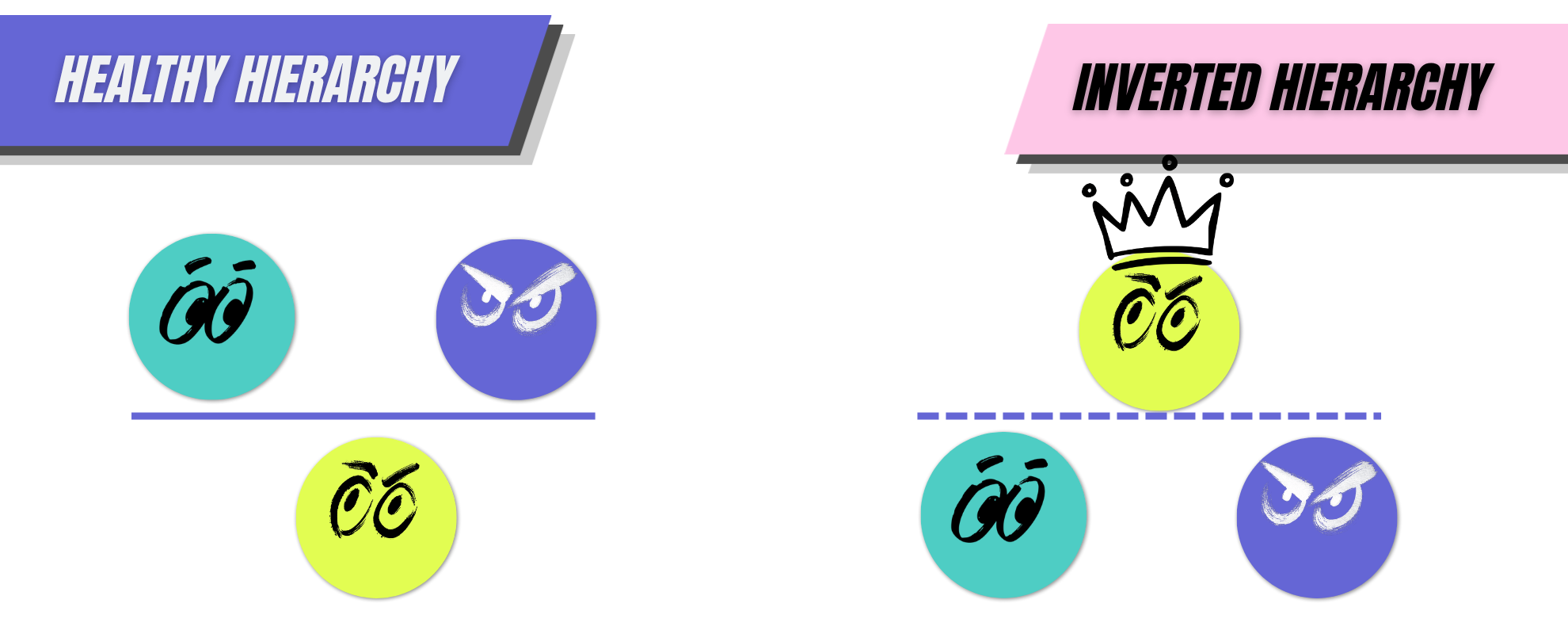
An inverted hierarchy is when the teenager or tween sits level with, or, more often, above, the parents in that same structure. They have been allowed to move up the structure through porous boundaries, reflecting the caregiver's difficulty holding limits or sometimes some enmeshment.
Technically, the people with the most authority are still the caregivers, at least on paper. They pay for everything, sign the forms, and are legally responsible for their child. Practical power has shifted to the child or children who don’t have any legitimate authority to draw on, which is why influence is exercised through demands, threats, and outbursts rather than negotiation.
Housekeeping!
- Listen to this newsletter on Spotify (or on iTunes and Amazon just search for 'Family Systems In 15 Minutes'.
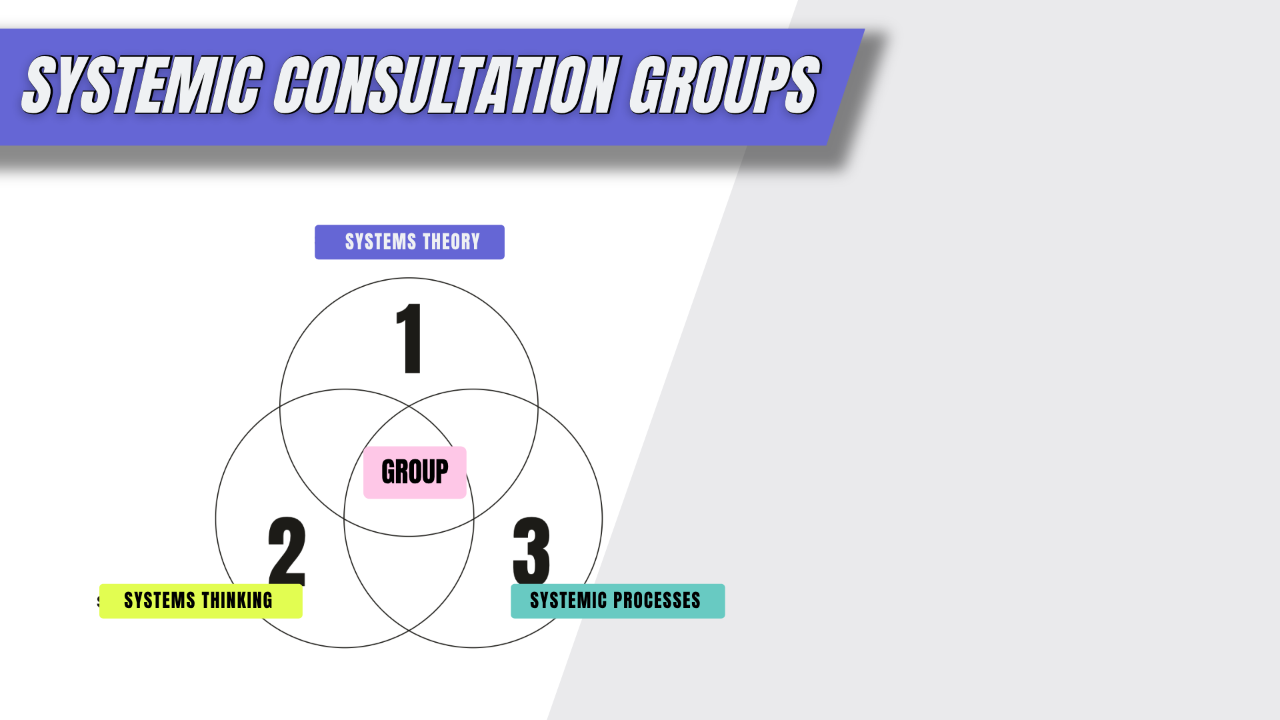
- Want to join my Family Therapy Consultation Group? Click here to find out more, there's a couple of slots left.
- There's a handout for parents on how to set limits that I whipped up, you can download it from The Family Systems Collective.

1. Loophole Thinking
Teenagers have this uncanny ability, perhaps because it’s just come online for them to think through loopholes.
For example:
Parent: “Your curfew is 10 pm”
Teen: “What about weekends? It should be later on weekends”.
Parent: “Fine, 9 pm in the week, and 11 pm at the weekend”
Guess what time the teen was home on Sunday? Yup. They strolled in at 11 pm because they exploited the loophole, and the terms and definitions of ‘weekend’ weren't clearly identified in the negotiation.
I’ve had the same conversation in my office with teens and parents about whether the same rules apply during summer break or while on vacation.
2. The Game Is The Same, The Win Is Different.
Some teens, again those with more oppositional traits, can change battle tactics halfway through an argument without parents (or therapists) realizing. What starts as an argument about the dishes and whose turn it is can flip into a game to see how many buttons the teen can push in their caregiver. The parent has no idea the strategy changed, and wonders why the conversation blew up and why they feel so frustrated.
- Parent: “It’s your turn to do the dishes, please get them done now.”
- Teen: “No way, it’s my sister's turn”
- Parent: “No, it’s your turn; your sister did them last night”
- Teen (changing tactics): “You hate me, admit it, she’s your favorite, and you don’t care at all”
- Parent: “WHAT ARE YOU TALKING ABOUT? You know I love you both”
Teen: 1, Parent: 0.
And if this conversation continued, and the parent got the teen to do the dishes?
Teen: 1, Parent: 0
And that’s because, in the teen's mind, the battle stopped being about the dishes and started being about seeing how much of a reaction they could get out of their parent.
The parent, on the other hand, still thinks it’s about the dishes.
3. The Parent Gives Up The Power
When a teen’s behavior escalates, and parents feel out of control, they often give up their authority to others in the moment, which, over time, lowers their status overall.
If one parent is arguing with their child, this can take the form of a comment like:
- ‘Wait until your [other parent] gets home’!
Or perhaps more familiar to us therapists, you’ll get an email or text saying:
- ‘You need to talk to them about the way they spoke to me last night! It’s not ok!’
While you may be used to emails, other families may reach out to police, courts, hospitals, psychiatrists, and when things get really bad, children get sent to a residential treatment center.
As a strategy, this doesn’t help the family, and often the problem moves from a stubborn teenager who needs his parents to have more authority to a ‘patient’ who isn't responsible for his behavior because he has a ‘problem’ or a ‘diagnosis’.
4. The Consequence Is Too Far Away.
There’s a bag of mini-Twix bars in my freezer; I like them crunchy, and when I get peckish, I’ll have one or two… or more. I know they are bad for me, but I still buy them and eat them, because the consequences of their high sugar content aren’t imminent - it’s in some nebulous, far-off future.
Teens have the same time-blindness, but more acutely, because their brains are still developing. For parents of teens, it’s worth reminding them of this to explain that their behavior is organized around what feels good right now. If a teen is playing video games and you ask them to take the trash out, the logic is simple.
- “Why would I do the boring thing instead of the fun thing?”
Incentives like,
- :If you don’t get any C’s this year, I’ll buy you an Xbox"
May also fail because doing homework now to get a B is boring, AND an Xbox six months from now is too far away to motivate.
When it comes to consequences, it’s even more important to remember that grounding a teen isn't always effective. It's slow, negotiable, and too far in the future. Parents use a future-based currency that only makes sense to someone with the same executive-functioning ability.
5. Consequence Or Challenge?
In families in which the adolescent sits above the parents in the hierarchy, a consequence isn't experienced as a consequence; it lands as a challenge that needs to be defended. Teenagers who feel challenged, as I’m sure you have all experienced, tend to dig their heels in harder.
When teens, especially those with some oppositional traits, are challenged in their position of influence, they don’t have a full repertoire of skills to use. An adult has authentic power that comes from being older, having more experience, and, honestly, paying for everything. As a result, they can send their children to bed without supper or take away their play stations. Teens and tweens don’t have that same level of authentic power or influence, and can only really fall back on destructive behavior to demoralize, intimidate, or subjugate parents into compliance.
To be fair to the teenager, if they’ve managed to invert the hierarchy in the first place, they are in a bind insofar as they simultaneously love the position of authority, but also deep down know that they don’t want it. A teen with too much power can’t behave well and remain in charge at the same time, but following the rules and behaving more cooperatively means they will have to give up their position. The only available move is to escalate.

That's it for me this week, don't forget to grab that handout that accompanies this newsletter, and I'll see you in the next one
Oliver


Responses