
Have you ever had the “Fix My Kid Effect” show up in your office
It’s when parents or caregivers decide everything would be better if their child changed, and sometimes they look to you because they expect you to take care of it for them.
Other times it’s a little more subtle, and the family wants you to make magical changes that they can’t do because of a diagnosis like ADHD or Executive Functioning Issues, which feels completely out of their control.
It’s a fine line to walk, because that child may well have ADHD or symptoms of depression. At the same time, as family therapists, particularly family systems therapists, we believe that symptoms occur inside relationships, which means that the parents are partially in the mix of the problem.
Now we have twice the work to do, because we have to not only address the symptoms, but also help the parents see how they contribute to them.
This is the first of six issues built around the assessment, and we’re starting where the family starts: with the person they've brought you and how tightly the whole family has organized itself around that person's problem.
In this email, I'll give you the six things I score in a first session to measure that, and what the total tells you about how your reframe is going to land.

TLDR: Families don't present you with a system. They present you with a person, and the facts about that person are usually true. This week I'm sharing the six-point check I run after a first session to measure how fixed the family's view of their identified patient has become, a scoring guide that tells you whether to reframe early or build the alliance first, and a short second pass that asks what the symptom is doing for the family.
It is incredibly tempting to accept the family's view of the problem; they are doing their best to understand what’s going on and are heavily influenced by a medical model, especially if they’ve seen other providers.
It makes sense then that they present a compelling case about a struggling person, not a struggling system.
If you take the bait and build your case around the individual, the identified patient gets more proof that they are broken, while the rest of the family avoids making any necessary changes.
Your true task in that first session is to stay curious about the symptom's function while connecting warmly with a family convinced they brought you the right patient.

Governing:
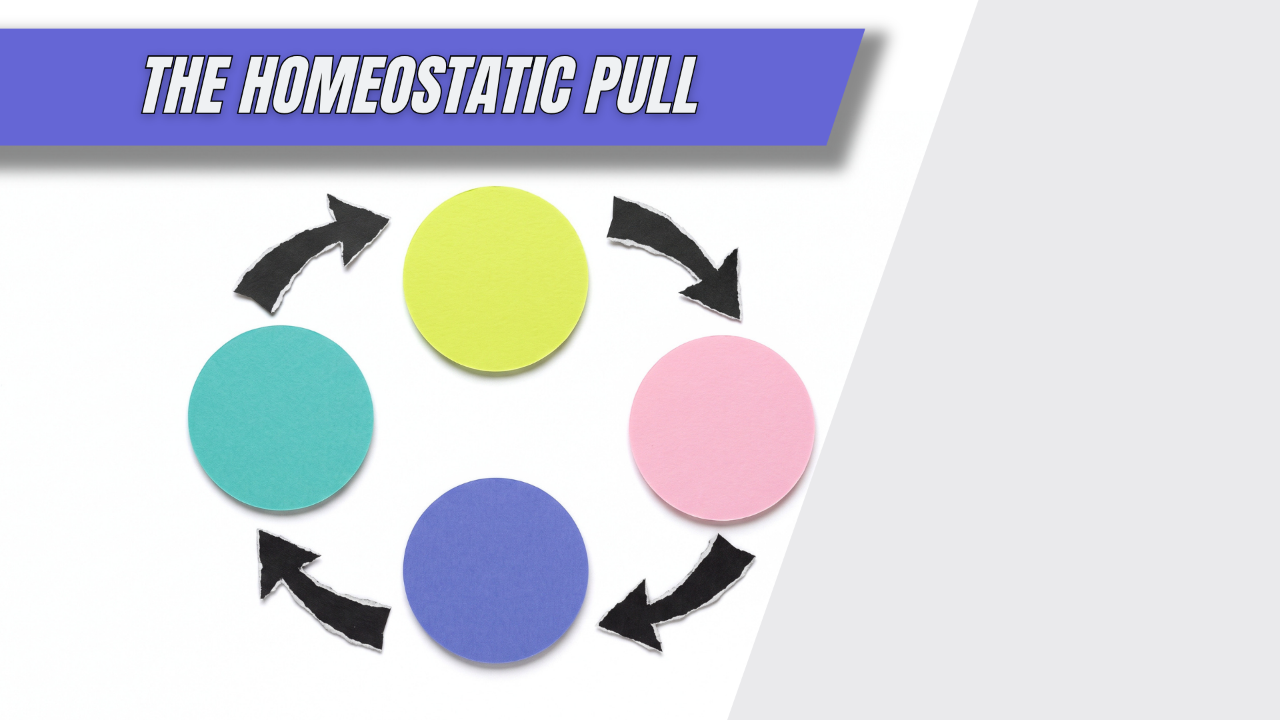
A symptom isn't always just a behavior; often, it is the family's emotional thermostat. Watch what happens when the conversation shifts away from the identified patient or the problem.
Sometimes the anxiety spikes, sometimes the conversation completely derails, and other times the family gets uncomfortably quiet.
If the family only calms down when the focus returns to the "problem child," the symptom is doing heavy structural lifting by regulating the entire system.
If you were to score this observation from 1-10, a high Governing score tells you this problem is actually helping the family function. If you challenge their narrative too quickly, you won't get curiosity or more systemic thinking; you’ll probably get massive resistance because you are threatening the mechanism they rely on to keep their balance.
Label Lock:
Families, and perhaps society today, love a label or a diagnosis, and if the problem’s been going on for a while, they can build an entire report history. I’ve had parents come in with printed-out medical records organized by date, time, and provider.
When a label has been active for years, outside institutions, teachers, GPs, previous referrals, or even the legal system have usually validated it. Every bad day and every incident becomes undeniable evidence in their ongoing case file.
You have to assess how entrenched this story is. Gently questioning a narrative that is only a few months old is standard practice, but challenging an eight-year-old label backed by a team of professionals requires a bit more clinical care before the family can even begin to tolerate an alternative perspective.
Absence:
In family work, what isn't said is often exactly what you need to focus on. If a couple insists they never experience conflict, yet their teenager reliably acts out whenever they are in the same room, that says something!
The issues the family leaves out of their narrative are often the exact tensions the identified patient unconsciously manages for them.
I’ve mentioned before that I’m still kicking myself for not realizing sooner with one family I worked with that grandma was essentially a co-parent who was not invited to therapy. I’m still a little baffled that she wasn’t mentioned for so long, but the fact that she wasn’t would give me a high score in ‘absence’. What’s missing in the conversation can be a flashing neon sign pointing directly to where the real, underlying therapeutic work needs to happen.
Negativity and Narration:
Listen closely to how the family constructs their story, because the density or intensity of their negativity dictates how much flexibility you have to work with.
A parent saying, "The last six months have been really hard since he changed schools," is profoundly different from a parent declaring, "He’s been difficult since he was four."
The first describes a behavioral reaction; the second fuses the problem with the person’s core identity, leaving almost no room for alternative possibilities.
I’d suggest tracking who introduces the problem, who adds the most damning details, and how much global blame the client receives.
Centrality:
You need to determine whether this family has any functioning relationships left outside the shadow of the symptom. If a couple can only connect by discussing their child's crisis, they have completely lost touch with their own partnership.
Watch what happens when you steer the session to a different topic. If the conversation magnetically returns to the identified patient within minutes. I'd guess that no one in the room even notices the shift, and they’ll be a bit flustered when you point it out.
That return is the system protecting its core focus. Notice exactly who brings the topic back; they are showing you just how central this crisis has become to their daily survival.
Enabling:
This is often the trickiest dynamic to navigate because enabling behaviors almost always come from love and good intentions. Picture a mother who constantly writes excuse notes for her truant son. She desperately tries to save him from being expelled, but her protection shields him from the natural consequences of truancy and kills any real chance for change.
If the family seems to be doing a lot of enabling, or if you have a ‘snow-plow’ parent, it might mean a caregiver is so terrified of a disastrous outcome that their preventative interventions actually guarantee it.
If you call out this enabling without validating the profound care and worry driving it, you will instantly lose their trust, so handle that dynamic carefully.
What The Symptom Is Doing
Symptoms often serve a hidden structural purpose for the family's survival. When observing the system, I get the people I supervise to consider if the behavior is actually functioning as:
- A Detour: Distracting from intense conflict between the parents.
- A Coalition: Maintaining an unnatural distance or extreme closeness between certain members.
- A Developmental Blockage: Stalling a life transition the family can't tolerate.
- An Absorption: Taking on systemic grief or anxiety so others are spared.
- A Secret-Keeper: Acting out an unspoken truth the family refuses to vocalize.
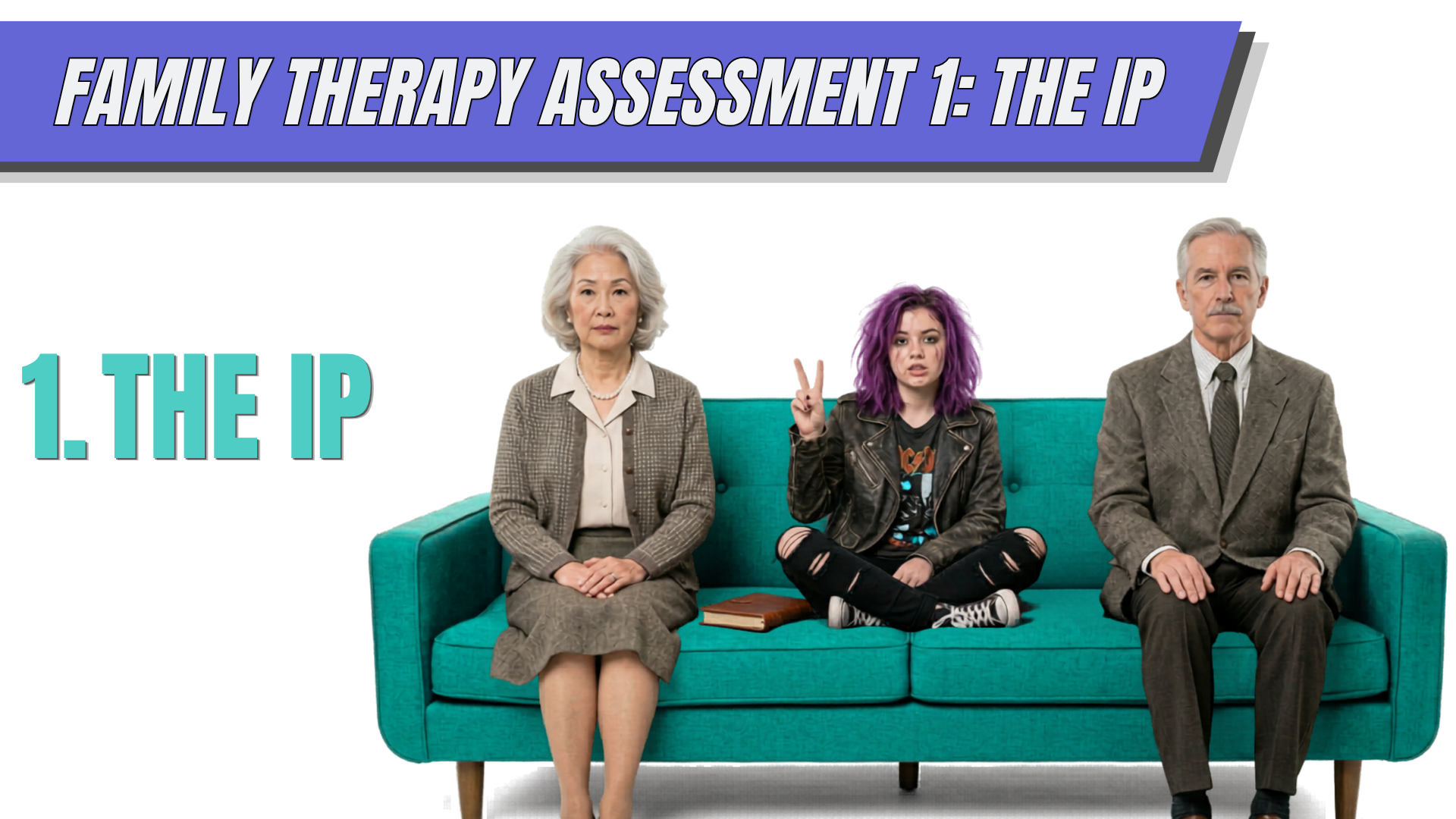
As systemic therapists, we aren't treating a person; we are treating a pattern.
We need to expand our view to the whole room, observe the dance, and remember that a symptom managing a family's mood is a structure.
Challenging that balance too quickly creates resistance because the family loses its way of keeping balance.
I hope that helps you out, and I'll see you in the next one
Oliver



Responses