One of the great things about working in residential treatment center for teens early in my career was the variety of cases, families and teens I saw. Things like NSSI and SI no longer phase me, but there's still a plethora of diagnosis that would give me a moment of anxiety and cause me to consider sending it someone else, and that's why this case was so interesting to me.
The case involves Dissociative Identity Disorder, which sounds about as far from structural family therapy as you can get. But when you map the family, something clicks into place — and what looked like a psychiatric mystery starts to look like a family system doing exactly what family systems do.
TLDR: In this Structural Therapy Case study, I break down the 5 P's of hypothesis to give you a glimpse into how me might think about think about it. I go into a little bit of theory to understand how sometimes the symptom is a metaphor of what's going on in the family. I'll tell you the interventions that I'd use too
The Identified Patient
The IP is Ronnie, an 18-year-old male who was recently hospitalized and diagnosed with Dissociative Identity Disorder. His family was referred for structural family therapy following the admission.
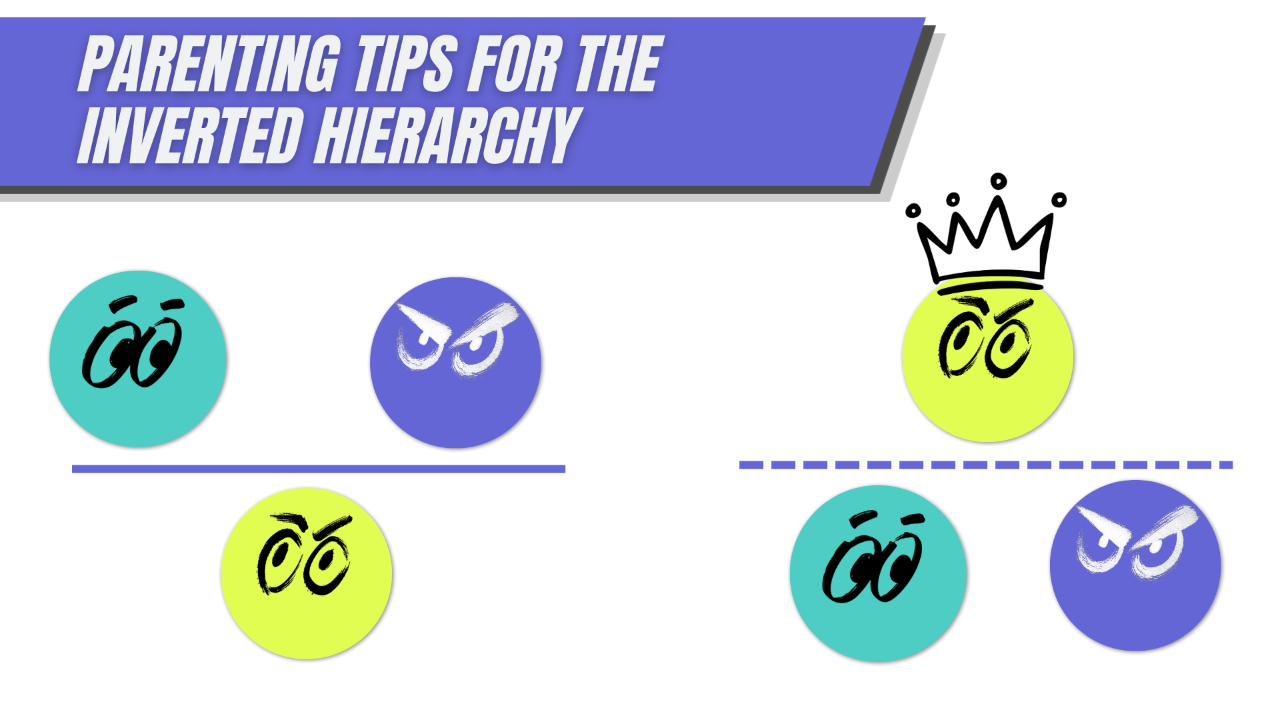
In the three months before hospitalization, Ronnie had difficulty concentrating, reported feeling sad and helpless, and was observed muttering to himself with increasingly poor self-care. There were anger outbursts directed at his parents — specifically his father. Dad is rather controlling and argumentative, while his Mom is supportive and nurturing. If they came into your office, Ronnie and Mom would be sitting next to each other, and Dad would be sitting to the side, and telling you what the deal is.
When Ronnie dissociates, he says an alter ego named Data takes over.

1. Hypothesis
Here's my 5xP's breakdown of what's going on in the family.
Power
The obvious read that is that Dad holds all the cards: he sets the rules, controls the emotional climate, and no one can successfully challenge him. But in family systems, power often shows up in unexpected places.
During and after a dissociative episode, Dad transforms. The critical, distant patriarch becomes attentive—warm, even affectionate. It’s the only version of tenderness Ronnie reliably receives, and it only arrives through crisis. So the symptom that looks like Ronnie’s greatest vulnerability is also the most powerful lever in the family for changing Dad’s behaviour. That painful irony helps explain why the dissociation persists: it works.
Mum holds a different kind of influence. She’s the emotional thermostat, shifting the family’s temperature in ways Dad may not fully notice. Her closeness with Ronnie gives her leverage she doesn’t have through her marriage. No one planned this, but the power distribution makes sense once you see it.
Proximity
Picture the family’s emotional layout like a building with the rooms arranged wrong. Mum and Ronnie are sharing a space that’s too small: she’s become his primary source of regulation—the person he turns to for what Dad doesn’t provide. That closeness comes with costs: Ronnie hasn’t developed the capacity to manage his inner world, and Mum has found a relationship that meets needs her marriage doesn’t, reducing urgency to address what’s broken between her and Dad.

Between Dad and Ronnie, there’s a wall that blocks almost everything. Communication moves one way—expectations down, silence back up—until the silence becomes data and the wall cracks in a crisis.
And then there’s the couple. Mum wants emotional closeness she isn’t getting. Dad expects compliance, not realising he’s created a household where no one feels safe enough to be honest. The gap between them has been quietly widening, and Ronnie has been standing in it—filling a role in Mum’s life that should belong to her partner.
Structurally, this is a cross-generational coalition: Mum and Ronnie aligned out of necessity, with Dad increasingly outside. When a child is positioned between parents like that, the pressure has to go somewhere. In this family, it went into an alter called Data.
The boundaries are notably diffuse—members “stuck together” in ways that impede healthy functioning. Ronnie and Mum show particular enmeshment, while the marriage has become peripheral. Ronnie’s brother left for college a year ago and has grown noticeably more distant since moving out.