
Here’s a hypothetical situation for you: imagine you’ve got an eight-year-old child, and one morning as you’re getting into the car to go to school, they stop and look at you and say,
“I don’t feel safe getting in a car with your driving skills, and I think you need to let me drive - please give me the car keys.”
I’m pretty confident that your answer will be a firm no, so let me add a bit more pressure...
Upon hearing ‘no’, this imaginary child has a full-on meltdown and tantrum that sounds like you have just crushed every dream and possibility of them ever being happy again.
Are you still going to hold the line and say no?
I’m pretty sure if you’re reading this, you’re not going to let me or your imaginary child emotionally manipulate you, so congratulations, I won’t unsubscribe you. And there's a point to this:
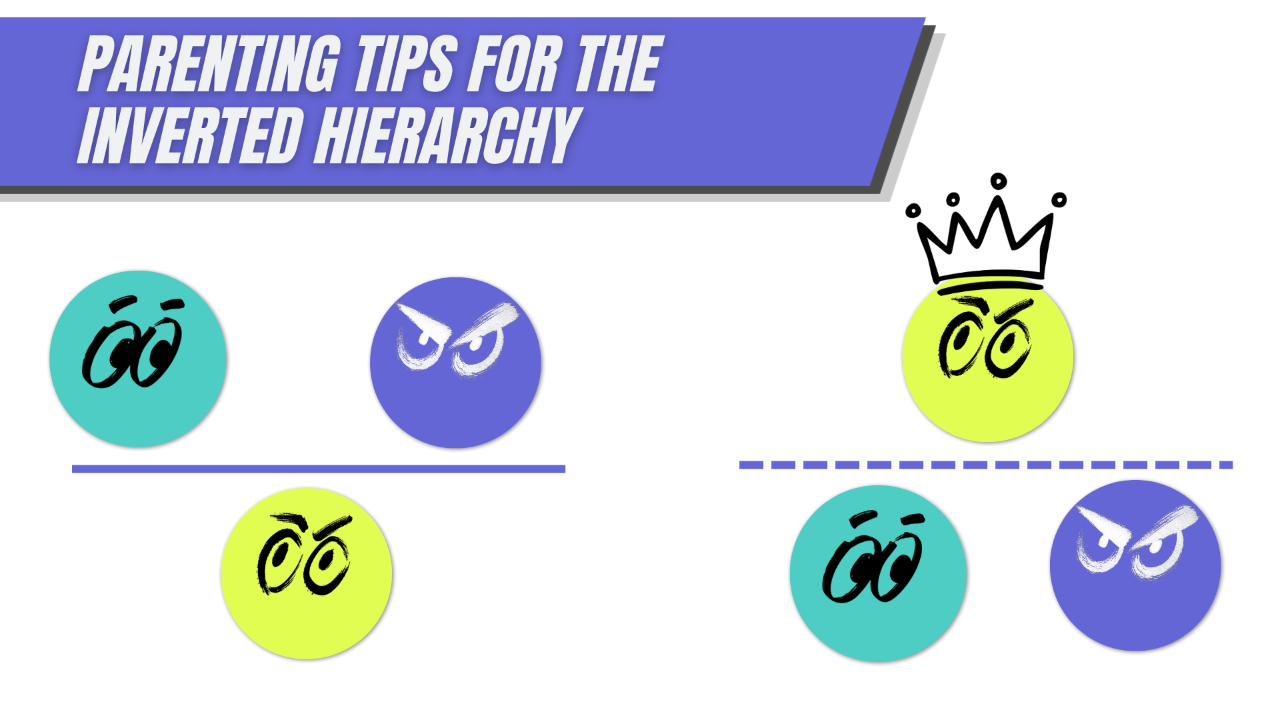
When I make the example so extreme that it borders on the absurd, it’s pretty black-and-white, but for many of the families that come to get therapy, when it comes to being the boss, saying no, and setting limits, making decisions is not so clear-cut.
Over the years, I’ve found that the sooner I notice problems that parents have about being in charge, the more effective and efficient therapy becomes.
In this email, I’ll share three signs that this is the problem you’re dealing with, no matter what the family might say, what to look for, why it matters, and what these patterns mean for the family system. And I’m consulting with a therapist about this very issue, so I'll have a de-identified case I’ll talk about, too.
Self Promotion At It's Finest:

- Reading is hard, so why not listen to the audio version of this newsletter. I think I figured out how to get this onto Apple, Spotify and Amazon Music.

- I just posted a YouTube video yesterday that talks about the Structural part of Structural Family Systems
- I've been playing around with an idea to start a free online community for people wanting to learn more about Family Systems Therapy - I'll talk more about it in future weeks, but if you're curious I'd love for you to check it out, it's called The Family Systems Collective.

SIGN ONE
The first sign that something is wrong in the family structure is frequent conflict between people from different subsystems.
This might seem obvious, but families rarely seek therapy just because their kids are fighting. More often, they come because there’s conflict or tension between a parent and a child, who have different levels of authority.
I don’t get involved in debates about how much authority parents should have, since every family’s parenting style depends on their culture and background. However, I always insist that parents have the final say.
What I See:
A clear sign is when a caregiver claims to be in charge but then treats the child like a partner or negotiates with them. If I see a parent spending too long negotiating a curfew, it tells me the child is being treated as an equal, or the parent is hesitant to take charge.
What the family calls a ‘communication problem’ or ‘conflict resolution concern’ is actually a structural issue, because no one is clear about who has authority.
Why It’s A Problem
Sometimes these power struggles are really obvious, like when a teen does what they want or openly rebels. I’ve yet to meet a family member who tells me straight away that they have issues with needing to be in control or with setting limits.
Part of our job is to read between the lines and figure out what’s really happening. Often, it’s a power struggle, or someone trying to gain authority over.
In the case I’m consulting on, the fights are about going to school, and it’s a little more nuanced because there have been significant health issues and hospitalizations that have made going to school a challenge in the past.
The therapist I’m working with told me what the conversations are in session, and it sounds like the parent and teen are in a lot of negotiation, as if going to school 5 days a week is something that could be haggled with!
In this family, the caregivers have stopped being in charge and are now debating with their teenager about something that shouldn’t be negotiable.
Why The Fight Won’t End:
The ongoing talks about school and constant compromises are just the surface. Underneath, it’s really a struggle over who has authority—the parent or the child.
This argument keeps coming up every week or so, because it’s not just about school—it’s about the family trying to figure out who is really in charge.
If therapy doesn’t make it clear who’s in charge, the debates will keep happening—whether about school or something else. The therapist can’t just help the family decide on school attendance; they also need to help the parents regain their authority.

SIGN TWO
The second sign I look for is when someone teams up with a person from a different subsystem against another family member.
A common example is one parent siding with the child against the other parent. Sometimes, it’s a grandparent siding with a child against a caregiver, that's a classic coallition.
If you're not familiar, a coalition is when two people are against a third, while an alliance is just two people who feel close or share an interest. In a coalition, someone is left out.
If a mom and her son go to the movies together without Dad, that’s not a coalition. But if a mom and son regularly undermine Dad’s decisions, that is a coalition. Coalitions matter most when they happen repeatedly; a one-time event usually isn’t a problem.
Structural and strategic therapy have a clear rule about coalitions that cross generations or subsystems. For example, if you have a problem with your supervisor at work, you should talk to them first. If nothing changes, then you might go to your Clinical Director. Skipping that first step isn’t helpful, and it will likely upset both your supervisor and the director.
The same thing happens in families: one parent is left out of conversations and decisions on purpose. When this keeps happening, it doesn’t just strain the parent-child relationship—it destabilizes the whole family system.
The therapist I’m consulting with told me that Dad tells the child they have to go to school five days a week. Then Mom jumps in and says, “Well, unless they have very bad anxiety, then they can stay at home”.
That’s a coalition at work.
Each time Mom and the child gang up on Dad or undermine Dad's authority, his position in the family grows more and more remote. Maybe he'll withdraw more, maybe he’ll get angry about being pushed out and explode, or he may even drink or have an affair. He’ll have some kind of reaction, which will only reinforce the coalition.

SIGN THREE
The third sign that I'm looking for is when these coalitions are hidden or invisible to the family. The family I'm consulting on didn't come in because of just the school issues; it was mainly about how angry Dad is.
They were not able to see the bond between Mom and the child at all; instead, they were just seeing a very angry, explosive father.
The fact that Mom was undermining Dad, that Mom was the softer parent, that Mom would side with the kids more often than not, wasn't registering with the family at all.
Mom will say she's just protecting her sensitive kid from a very harsh dad. Dad will say he feels shut out, and the child will agree with Mom, but no one can quite see that the team-up is what is running the whole dynamic.
It's really hard to restructure a family when the family doesn't see what's going on, and just pointing it out isn't normally enough. Settling the debate about school also won’t work because the power struggle will just shift from school to doing homework to an allowance to curfew .