When kids act out, a hidden driver is often split parenting: one parent gets harder, the other softer, each making things worse for the other.
TLDR: When a child's behavior becomes the presenting problem, there's often a parenting split quietly running in the background — one parent getting harder, one getting softer, each making the other worse. This week I'm breaking down exactly how that cycle works, why neither parent is actually to blame, and sharing three visual tools to help you map it, name it, and start shifting it in session.
This Week's H.I.T Home & Take Home Free PDF For Subscribers:
If you want to assess split parenting patterns quickly and pinpoint leverage points for intervention, this week's tool set is for you. You’ll be able to rapidly locate clinical traction and help families exit stuck cycles sooner.
- Soft/Hard Parent Split Cycle: This tool visually shows how each parent's behavior reinforces the other's, creating a six-step feedback loop with clinical notes for guidance.
- Soft/Hard Parent Split Structural Map: A before-and-after diagram showing the family structure shifts that occur during this dynamic.
- Boss-to-Friend Thermometer: A handout for mapping parental hierarchy and parenting styles, with a question for session discussion.
- The PDF: A clinician's guide on using all three tools together, from assessment to intervention.

When families seek therapy for behavioral issues like tantrums or school refusal, there's a common dynamic often present between the caregivers. One parent steps into a firmer role — setting limits, enforcing consequences, holding the line. The other steps back. They soften. Sometimes consciously, often not, because they don't also want to be the tough one.
The harder one parent gets, the more the other feels they need to compensate. The softer one gets, the more the other has to pick up the slack. It becomes a feedback loop, and both parents are running on the same track in opposite directions. Underneath these roles, each parent is driven by their own emotional logic: the "hard" parent may feel a real fear of chaos taking over, leading them to step up and try to restore order. The "soft" parent, meanwhile, is moved by a deep fear of harm or emotional rupture, making them want to cushion the child and reduce distress. Each stance feels necessary from inside, driven by care, not just by conflict with the other parent.
What makes this pattern so clinically interesting — and so easy to miss — is that neither parent is wrong, exactly. They're both responding to each other in ways that make complete sense from their respective standpoints. The "hard" parent watches their partner melt every time the child pushes back, and concludes that someone has to hold the line. The "soft" parent watches their partner escalate, and concludes that someone has to protect the child. Each is reacting to the other. Neither can see the loop they're both creating.
In structural family therapy, this pattern is known as a soft/hard parent split—one of the most common dynamics in families where a child's behavior is the central issue. This week, I'll show how it develops, how to spot it, and introduce three clinical tools for mapping, naming, and shifting it.
The Structural Family Map
The structural map brings a family systems perspective.
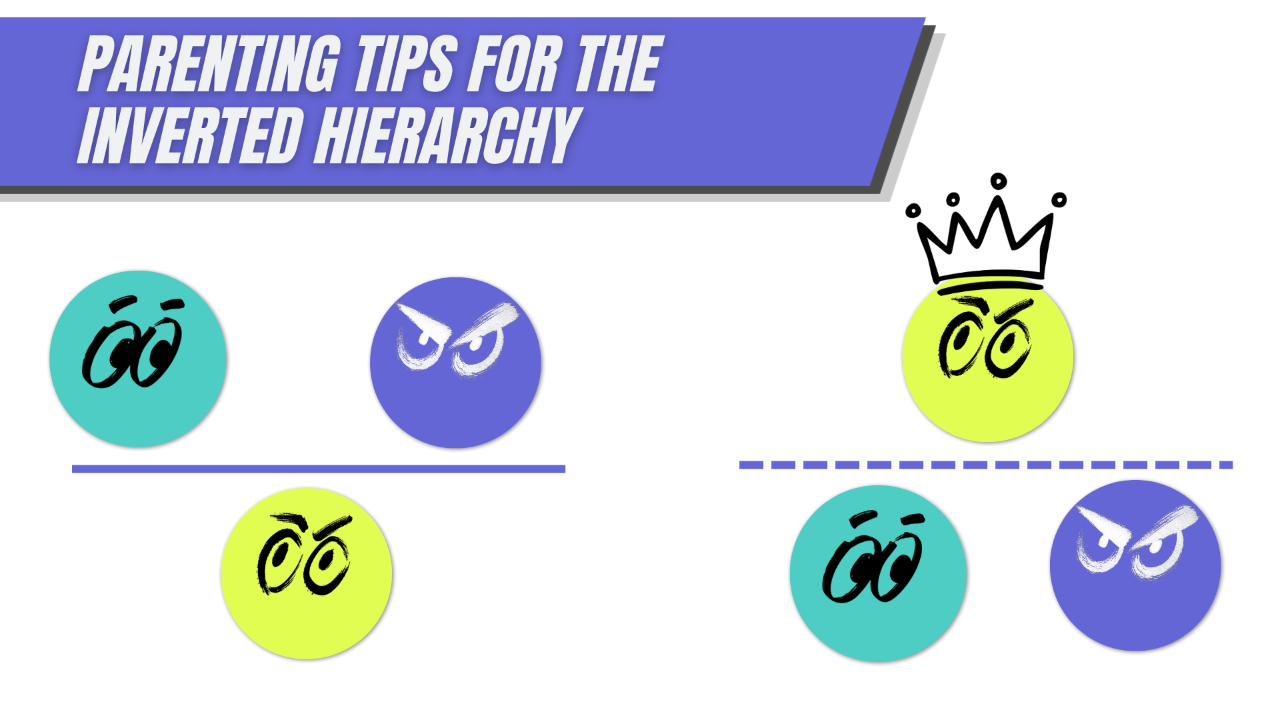
On the left, you’ll see a healthy family structure: two parents united in the executive subsystem, a generational boundary, and the child below within the sibling subsystem. The boundary is a healthy solid line which keeps the subsystems separate.

On the right, the dynamic change.
The soft parent has drifted toward the child, breaking unity with their partner. The cross-generational boundary becomes confused, and the hard parent is left to parent alone, reinforcing their stance and increasing isolation. The dashed line in the diagram indicates a boundary that is no longer intact and a weakened hierarchy.
I hope this visual makes you love family maps as much as I do! I'll post a link to a video I made on Family Mapping if you want to learn more.
They are a brilliant way to help us see the structure behind the behavior. The child's acting out, the parental distance, and the boundaries.
They all work together to show that the symptoms result from the same structural drift. And that means the intervention isn't just about managing the child's behavior. It's about helping the parents find their way back to the same side of the line.
|

What's In The Rest Of This Post?
I’m on a mission to make this the most helpful newsletter email you get all week, so in this post, I’ll make sure you get the ‘The Boss-to-Friend Thermometer’ — a session-ready tool that helps families see any parenting splits. All in one PDF containing your clinician's guide to using all these tools, from assessment to conversation to structural intervention.